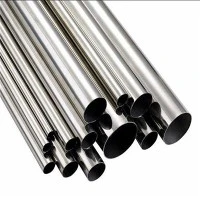
What is 304L Stainless Steel
304L austenitic stainless steel is a high-alloy stainless steel, also known as S30403 steel, which is an improved model of the low-carbon version of type 304 stainless steel. Its main components are iron, chromium, nickel and small amounts of carbon, manganese, silicon and other elements.
304L Stainless Steel is a low-carbon variation of the widely used Grade 304, where "L" means its low carbon content.This lower carbon content helps minimize the risk of sensitization and subsequent corrosion in welded areas, making 304L material an ideal choice for applications that involve welding.

Compared with type 304 stainless steel, 304L steel has certain advantages:
304L Stainless steel advantages:
1.Good corrosion resistance: 304L stainless steel has the same good corrosion resistance as Grade 304, and can resist corrosion from most acids, alkalis, salts and other chemical media, and is suitable for a variety of industrial fields.
2.Low carbon content: Low carbon content can improve the corrosion resistance, ductility and weldability of 304L steel, and reduce the corrosion sensitivity of the welded metal.
3.Good processability: Compared with some high-alloy steels, 304L has good processability and can be made into products of various shapes such as plates, tubes, bars and profiles.
4.Good reliability: 304L material has stable and reliable performance and is widely used around the world.
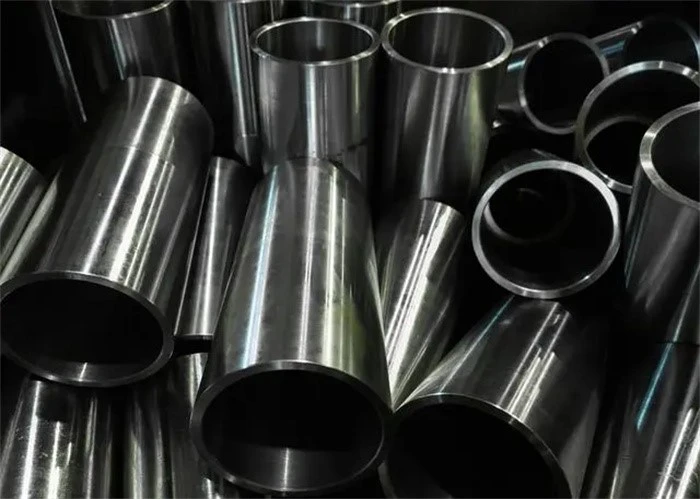
304L Austenitic Stainless Steel Disadvantages:
1.Corrosion resistance cannot meet extreme conditions: SS 304L steel may not have enough resistance to some extreme corrosive media, such as concentrated sulfuric acid, hydrofluoric acid, etc. It is necessary to choose suitable materials to replace them or take corresponding measures to strengthen the materials.
2.Welding cannot be carried out after heat treatment: 304L SS has weak oxidation resistance and is prone to oxidative deterioration under high temperature conditions. Therefore, it needs to be cooled for a period of time after heat treatment before welding, otherwise the corrosion resistance of the material will be weakened.