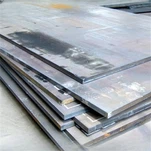
Stainless steel 304 is one of the most widely used materials in the piping industry. It is an austenitic grade of stainless steel that is known for its excellent corrosion resistance, high strength, and durability. This blog post will discuss the benefits of using 304 stainless steel for piping solutions and explore its various applications.
What is Stainless Steel 304?
Stainless steel 304 is a type of austenitic stainless steel that contains 18% chromium and 8% nickel. These elements give 304 stainless steel its excellent corrosion resistance, making it ideal for use in harsh environments. Additionally, stainless steel 304 has a low carbon and manganese content, which gives it high strength and excellent ductility,easy to work with.
304 Material Alloy Designations
Stainless steel 304 is the most versatile and widely used stainless steel, and here is a breakdown of its most common alloy designations.
| Euronorm | UNS | BS | En | Grade |
|---|---|---|---|---|
| 1.4301 | S30400 | 304S15 | 58E | 304 |
| 304S16 | ||||
| 304S31 | ||||
| 1.4306 | S30403 | 304S11 | - | 304L |
| 1.4307 | - | 304S11 | - | 304L |
| 1.4311 | - | 304S11 | - | 304L |
| 1.4948 | S30409 | 304S51 | - | 304H |
304 stainless steel is essentially non-magnetic. It's not as susceptible to corrosion because austenitic steels are generally low carbon.
Stainless steel 304 is also known as 1.4301 and corresponds to S30400, 304S15, 304S16, 304S31, and EN58E.
An older name for 304 is 18/8 - derived from the nominal composition of 304 being 18% chromium and 8% nickel.
ss304 material Chemical Composition
| % | 304 | 304L | 304H |
|---|---|---|---|
| C | 0.0 - 0.07 | 0.0 - 0.03 | 0.04 - 0.08 |
| Mn | 0.0 - 2.0 | 0.0 - 2.00 | 0.0 - 2.0 |
| Si | 0.0 - 1.00 | 0.0 - 1.00 | 0.0 - 1.0 |
| P | 0.0 - 0.05 | 0.0 - 0.05 | 0.0 - 0.04 |
| S | 0.0 - 0.03 | 0.0 - 0.02 | 0.0 - 0.02 |
| Cr | 17.50 - 19.50 | 17.50 - 19.50 | 17.00 - 19.00 |
| Ni | 8.00 - 10.50 | 8.00 - 10.50 | 8.00 - 11.00 |
| Fe | Balance | Balance | Balance |
| N | 0.0-0.11 | 0.0-0.11 | 0.0 - 0.10 |
Stainless 304 Mechanical Properties
|
Mechanical Properties |
Metric |
English |
|
Ultimate Tensile Strength |
505 MPa |
73200 psi |
|
Tensile Yield Strength |
215 MPa |
31200 psi |
|
Hardness (Rockwell B) |
70 |
70 |
|
Modulus of Elasticity |
193-200 GPa |
28000-29000 ksi |
|
Charpy Impact |
325 J |
240 ft-lb |

Benefits of Using Stainless Steel 304 for Piping Solutions
1. Corrosion Resistance
One of the most significant benefits of 304 stainless steel is its excellent corrosion resistance. This material is resistant to most forms of corrosion, including pitting, crevice corrosion, and stress corrosion cracking. It is a highly durable material that can withstand harsh environments and chemicals, making it ideal for use in a variety of applications.
2. High Strength and Durability
304 stainless steel is a strong and durable material that can withstand heavy loads and high pressures. It has a high tensile strength and can resist deformation under stress. Additionally, it is resistant to oxidation and maintains its strength and durability over time.
3. Hygienic and Easy to Clean
Stainless steel 304 is a hygienic material that is easy to clean and maintain. It is non-porous, which means that bacteria and other microorganisms cannot adhere to its surface. This makes it ideal for use in the food and beverage industry, where cleanliness is essential.
Applications of Stainless Steel 304 in Piping Solutions
1. Food and Beverage Industry
Stainless steel 304 is widely used in the food and beverage industry, where it is used for processing equipment, storage tanks, and piping systems. Its excellent corrosion resistance and hygiene make it the ideal choice for these applications.
2. Chemical and Petrochemical Industry
Stainless steel 304 is also used extensively in the chemical and petrochemical industry, where it is used for storage tanks, piping systems, and processing equipment. Its high strength and resistance to corrosion make it an ideal material for these applications.
3. Construction Industry
Stainless steel 304 is used in the construction industry for building and bridge components, railing systems, and piping systems. Its durability and strength make it ideal for use in these applications, where it can withstand harsh environments and heavy loads.
Stainless steel 304 is an excellent material for piping solutions. Its corrosion resistance, high strength, and durability make it ideal for use in a variety of applications. Whether you are in the food and beverage industry, the chemical and petrochemical industry, or the construction industry, stainless steel 304 provides a piping solution that is hygienic, durable, and reliable.