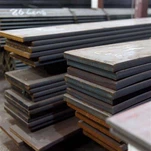
Galvanized steel stands out for its impressive resistance to rust, but the question often arises: is galvanized steel rust proof? A protective zinc coating shields the steel, acting as a barrier against moisture and oxygen,also prevent rust. This layer not only prevents corrosion but also sacrifices itself to protect the underlying steel when exposed to harsh conditions. However, no material is invincible. Prolonged exposure to extreme environments, like high humidity or saltwater, can wear down the zinc coating over time. When this happens, the steel beneath becomes vulnerable to rust. Despite these limitations, galvanized steel remains a durable and reliable choice for many applications.
Key Takeaways
- Galvanized steel is highly resistant to rust due to its protective zinc coating, which acts as a barrier against moisture and oxygen.
- The zinc coating not only prevents corrosion protection but also sacrifices itself to protect the underlying steel, extending its lifespan significantly.
- Provide proper and regular maintenance, including cleaning and inspections, is essential to prevent rust and ensure the longevity of galvanized steel.
- Environmental factors like high humidity, saltwater, and pollutants can accelerate the degradation of the zinc coating, making proper care crucial.
- Apply protective coatings can enhance the rust resistance of galvanized steel, especially in harsh conditions.
- Identifying early signs of rust, such as dull spots or discoloration, allows for timely repairs and prevents further damage.
- Proper storage and handling of galvanized steel can prevent issues like white rust and maintain its protective properties.
Why is galvanized steel rust-resistant?

Galvanized steel owes its rust resistance to the unique properties of its zinc coating. This protective layer plays a crucial role in shielding the steel from environmental factors that typically cause corrosion.
The role of the zinc coating
Studies have shown that zinc-coated steel can last 15 to 30 times longer than untreated steel, making it a reliable option for long-term use.
How the zinc layer prevents corrosion
Zinc not just sit on the surface; it actively fights corrosion. When exposed to the environment, zinc reacts with oxygen and moisture to form a thin, protective layer of zinc oxide. Over time, this layer can further react with carbon dioxide in the air, creating zinc carbonate. This compound is highly stable and adheres tightly to the steel, providing an additional shield against rust. Essentially, the zinc layer works like a self-healing armor, ensuring the steel remains intact even when minor scratches or abrasions occur.
The sacrificial nature of zinc in protecting steel
One of the most fascinating aspects of galvanized steel is the sacrificial role of zinc. In the event that the coating gets damaged, zinc continues to protect the steel through a process called cathodic protection. Zinc, being more reactive than steel, corrodes first. This sacrificial action ensures that the underlying steel remains unaffected, even in harsh conditions. By sacrificing itself, zinc extends the lifespan of the steel, making it a cost-effective and durable solution for various applications.
Note:"Zinc acts as a sacrificial anode in electrochemical corrosion, providing protection," as highlighted in scientific research. This unique property is what makes galvanized steel such a popular choice for construction, automotive, and marine industries.
When does galvanized steel rust?
Galvanized steel, while highly resistant to rust, is not immune to corrosion under certain conditions.
Common causes of rust
Galvanized steel can rust when its protective zinc coating gets compromised.
Another common scenario involves the natural aging of the zinc coating. Over decades, the protective layer gradually wears down, especially in areas with frequent abrasion or contact. For example,galvanized steel used in high-traffic zones or machinery parts may experience faster degradation due to constant friction.
Environmental factors that accelerate rust
Certain environmental conditions significantly impact the lifespan of galvanized steel. High humidity levels, frequent rainfall, and exposure to saltwater environments are among the most aggressive factors. Coastal regions, for example, pose a greater risk due to the presence of salt in the air, which speeds up the corrosion process. In such areas, galvanized steel may show signs of rust within 12 years, compared to its potential lifespan of 75 years or more in ideal conditions.
Urban and industrial areas also present challenges. Pollutants like sulfur dioxide and nitrogen oxides in the air react with the zinc coating, weakening its protective properties. Extreme temperatures, whether hot or cold, can further stress the material, making it more susceptible to rust.
Signs of rust on galva steel
Spotting early signs of rust on galvanized steel is crucial for timely maintenance. Initially, the surface may appear dull or weathered, which is a natural part of the aging process. However, if left unchecked, small reddish-brown spots may emerge, indicating the beginning of rust formation. These spots often appear around scratches, edges,cracks or areas where the zinc coating has worn thin.
In advanced stages, rust spreads across the surface, causing visible discoloration and flaking. Structural components, like beams or railings, may develop weak points, compromising their integrity. Regular inspections help identify these signs early, allowing for repairs before significant damage occurs.
Note:"Galvanized steel can last for decades without showing signs of rust or corrosion in optimum environments," but harsh conditions can shorten its lifespan.
How to prevent rust
Galvanized steel is known for its durability and resistance to rust, but proper care ensures it stays in top condition for years. By following a few simple maintenance practices, you can protect the zinc coating and extend the lifespan of your galvanized steel.

Regular cleaning and inspection
Keeping galv steel cleanliness is one of the easiest ways to prevent rust. Dirt, grime, and other contaminants can trap moisture, which accelerates the breakdown of the zinc coating. Regularly washing the surface with mild soap and water removes these harmful substances. For tougher stains, a soft-bristle brush can help scrub away debris without damaging the protective layer.
Inspection is equally important. Checking for scratches, dents, or signs of wear allows you to address potential issues early. Look for dull spots or reddish-brown discoloration, as these may indicate the beginning stages of rust. Promptly repairing damaged areas prevents further corrosion and ensures the steel remains functional.
Add a protective coatings
Adding an extra layer of protection can significantly enhance the rust resistance of galvanized steel. Rust-proof paints, sealants, or specialized coatings create a barrier that shields the zinc layer from environmental factors. These coatings are particularly useful in areas with high humidity, saltwater exposure, or frequent temperature changes.
Before applying any coating, ensure the surface is clean and free of rust. A smooth, dry surface allows the protective layer to adhere properly. Reapply the coating as needed, especially if you notice signs of wear or peeling.
Proper storage and usage
How you store and use gi steel plays a major role in its longevity. Improper storage can lead to white rust, a type of corrosion that forms when moisture gets trapped between stacked or tightly packed steel items. To avoid this, store galvanized steel in a dry, well-ventilated area. Use spacers or wooden blocks to keep items separated and allow air circulation.
When using galva steel, avoid exposing it to corrosive chemicals or abrasive materials. For example, acids and industrial pollutants can erode the zinc coating over time. Handle the steel carefully during transportation and installation to prevent scratches or dents that compromise its protective layer.
Benefits of maintaining galvanized steel
Proper maintenance of galvanized offers several advantages, ensuring its durability and visual appeal over time.
Extending the lifespan of galvanized steel
Maintaining gi steel significantly increases its lifespan. Regular cleaning and inspections prevent contaminants from breaking down the protective zinc coating. In ideal conditions, well-maintained galvanized steel can resist rust for up to 75 years or more, far outlasting untreated steel. Neglecting maintenance, however, shortens its lifespan, especially in harsh environments like coastal or industrial areas.
The service life of galvanized steel also depends on the thickness of the zinc coating. Thicker coatings provide better protection, but even these require care to perform optimally. By addressing minor issues, such as scratches or early signs of rust, users can avoid costly repairs or replacements.
Maintaining its aesthetic appeal
Beyond durability, maintenance helps preserve the appearance of galvanized steel. Over time, unmaintained steel can develop a dull, weathered look. While this doesn't always affect its structural integrity, it diminishes its visual appeal, especially in decorative or architectural applications.
Regular cleaning removes dirt, grime, and stains that accumulate on the surface. This keeps the steel looking fresh and professional. Applying protective coatings or sealants enhances its shine and prevents discoloration caused by environmental factors like pollution or saltwater exposure.
Galvanized steel offers excellent rust resistance, but proper care ensures it performs at its best. Regular cleaning, inspections, and applying protective coatings help maintain its durability and appearance. Understanding how environmental factors affect the zinc coating allows to take preventive measures, extending the material's lifespan. With consistent maintenance, galvanized steel can remain functional and visually appealing for decades. Whether used in construction, marine, or industrial applications, this material proves to be a reliable and cost-effective choice when cared for properly.
FAQ
Does galvanized steel rust?
Yes, galvanized steel can rust, but it is far more resistant to corrosion compared to untreated steel. The zinc coating acts as a protective barrier, preventing moisture and oxygen from reaching the steel underneath. As long as this coating remains intact, galvanized steel can resist rust for decades. However, if the zinc layer gets damaged or wears down over time, rust may eventually form.
How long does galvanized steel last before rusting?
The lifespan of galvanized steel depends on the environment and how well it is maintained. In ideal conditions, such as dry indoor settings, it can last over 75 years without rusting. In harsher environments, like coastal areas with high humidity and salt exposure, the lifespan may reduce to around 12-15 years. Regular maintenance, including cleaning and inspections, can help extend its durability.
How can I prevent rust on galvanized steel?
Preventing rust involves a few simple steps:
- Regular cleaning: Remove dirt and grime with mild soap and water to prevent moisture buildup.
- Inspection: Check for scratches, dents, or signs of wear every few months.
- Protective coatings: Apply rust-proof paint or sealant to enhance the zinc layer's durability.
- Proper storage: Store galvanized steel in a dry, ventilated area to avoid moisture trapping.