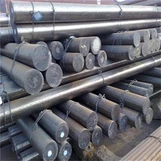
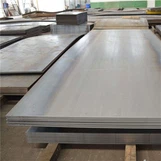
Hey there! I'm a supplier of Carbon Tool Steel SK2, and I've been getting a lot of questions lately about how to achieve a uniform carbon distribution in this type of steel. So, I thought I'd put together this blog post to share some insights and tips based on my experience in the industry.
First off, let's talk a bit about SK2 steel. SK2 is a high - carbon tool steel that's widely used, especially in applications like SK2 High Carbon Steel For Utility Knife Blades. It's known for its high hardness, good wear resistance, and relatively low cost compared to some other high - performance steels. But to get the most out of its properties, achieving a uniform carbon distribution is crucial.
Why Uniform Carbon Distribution Matters
A uniform carbon distribution in SK2 steel is essential for several reasons. When the carbon is evenly distributed, the steel will have consistent hardness and mechanical properties throughout the material. This means that during the manufacturing process, like forging or machining, the steel will behave predictably. If the carbon is unevenly distributed, you might end up with soft spots and hard spots in the steel. The soft spots can wear out quickly, while the hard spots can cause problems during machining, like tool breakage.
Factors Affecting Carbon Distribution
There are several factors that can affect the carbon distribution in SK2 steel.
Melting and Casting
The melting process is the first step where carbon distribution can be influenced. During melting, the raw materials need to be mixed thoroughly. If the melting temperature is too low, the carbon might not dissolve evenly in the molten steel. On the other hand, if the temperature is too high, there's a risk of carbon loss through oxidation.
In the casting stage, the cooling rate also plays a big role. A rapid cooling rate can cause the carbon to form carbides in an uneven pattern. Slow and controlled cooling is usually better for achieving a more uniform carbon distribution.
Heat Treatment
Heat treatment is another critical factor. Annealing, for example, can help to homogenize the carbon distribution. By heating the steel to a specific temperature and holding it there for a certain period, the carbon atoms have time to diffuse and spread out more evenly. Quenching and tempering also need to be carefully controlled. If the quenching process is too fast, it can lead to the formation of martensite with uneven carbon content, which can cause internal stresses and cracking.
Tips for Achieving Uniform Carbon Distribution
Here are some practical tips that I've found useful in ensuring a uniform carbon distribution in SK2 steel.


Raw Material Selection
Start with high - quality raw materials. Make sure the carbon content in the raw materials is within the specified range for SK2 steel. Also, check for any impurities that could affect the carbon distribution. For example, sulfur and phosphorus impurities can segregate and cause uneven carbon distribution.
Melting Process Optimization
Use a proper melting technique. Induction melting is a popular choice as it can provide better control over the melting temperature and mixing. During melting, use additives if necessary to help with the dissolution of carbon and to prevent oxidation. For instance, adding a small amount of silicon can help to reduce carbon loss.
Casting Control
Control the casting speed and temperature. Use a mold design that allows for a slow and uniform cooling rate. You can also use insulating materials around the mold to slow down the cooling process. This gives the carbon atoms more time to redistribute themselves evenly.
Heat Treatment Planning
Develop a well - thought - out heat treatment plan. For annealing, choose the right temperature and holding time. For example, annealing SK2 steel at around 720 - 750°C for 2 - 3 hours can be effective for carbon homogenization. When it comes to quenching, use a quenching medium that provides a controlled cooling rate, like oil quenching instead of water quenching in some cases.
Case Study: Our Experience
In our company, we've been dealing with SK2 steel for a long time. We once had a customer who was having issues with the hardness variation in the SK2 components they were making. After a detailed analysis, we found that the carbon distribution was uneven.
We went back to the melting and casting process. We adjusted the melting temperature and added some silicon to prevent carbon loss. During casting, we changed the mold design to slow down the cooling rate. In the heat treatment stage, we optimized the annealing and quenching parameters. After these changes, the carbon distribution became much more uniform, and the customer noticed a significant improvement in the hardness consistency of the components.
Comparing with Other High - Carbon Steels
It's also interesting to compare SK2 steel with other high - carbon steels like SK85 High Carbon Steel. SK85 has a higher carbon content than SK2, which means it can achieve even higher hardness. However, achieving a uniform carbon distribution in SK85 can be more challenging due to the higher carbon concentration.
The same principles of melting, casting, and heat treatment apply, but the parameters need to be adjusted accordingly. For example, the annealing temperature for SK85 might be a bit higher than that for SK2 because of its higher carbon content.
Conclusion
Achieving a uniform carbon distribution in Carbon Tool Steel SK2 is not an easy task, but it's definitely achievable with the right approach. By paying attention to the melting, casting, and heat treatment processes, and starting with high - quality raw materials, you can ensure that the SK2 steel has consistent and reliable properties.
If you're in the market for SK2 steel or have any questions about achieving uniform carbon distribution, feel free to reach out. I'd be more than happy to discuss your needs and how we can provide you with the best SK2 Steel solutions. Whether you're making utility knife blades or other high - performance components, we've got the expertise to help you get the most out of SK2 steel. So, don't hesitate to contact us for a purchase negotiation and let's work together to meet your requirements!
References
- Smith, J. (2018). High - Carbon Tool Steels: Properties and Applications. Metalworking Journal.
- Brown, A. (2019). Heat Treatment of Carbon Steels. Steel Processing Magazine.
- Johnson, R. (2020). Casting Techniques for Uniform Carbon Distribution in Steels. Foundry Technology Review.