Offshore platforms are like the superheroes of the oil and gas industry, standing tall and tough in the wild and unpredictable marine environment. As a high strength steel plate supplier, I've seen firsthand how crucial these steel plates are for the success and safety of offshore platforms. So, let's dive into what it takes for a steel plate to be up to the task in this challenging setting.
1. Strength and Durability
First off, high strength is a no - brainer. Offshore platforms are constantly dealing with some seriously heavy loads. You've got the weight of all the equipment on the platform, the force of the waves crashing against it, and the pressure from the wind. That's why we need steel plates that can handle these massive forces without bending or breaking.
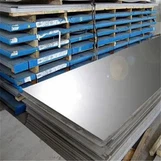
Our High Strength Plate is designed to offer exceptional yield and tensile strength. Yield strength is like the point where the steel starts to deform permanently. For offshore platforms, we need a high yield strength so that the steel can take a lot of stress before it begins to change shape. Tensile strength, on the other hand, is the maximum amount of stress the steel can handle before it actually breaks.
Durability is also key. The marine environment is a harsh place. There's saltwater everywhere, which is super corrosive. Over time, if the steel isn't durable enough, it can start to rust and weaken. We use special alloys and coatings on our steel plates to make them more resistant to corrosion. For example, adding elements like chromium and nickel can help form a protective layer on the surface of the steel, preventing the saltwater from eating away at it.
2. Toughness
Toughness is another important factor. In the ocean, things can get pretty rough. There are sudden impacts from floating debris, icebergs in some areas, and even seismic activity. A tough steel plate can absorb energy from these impacts without cracking.
Our S960QL/S960QL1/S960QL2 HSLA Steel Plate is known for its excellent toughness. It's able to withstand high - energy impacts, which is crucial for the long - term safety of the offshore platform. Even if there's a big jolt, the steel won't just shatter into pieces. Instead, it will bend and absorb the energy, protecting the structure of the platform.
3. Weldability
Welding is how we put all these steel plates together to build the offshore platform. So, the steel plates need to be easy to weld. If the steel isn't weldable, it can lead to all sorts of problems. Welds that don't hold properly can create weak spots in the structure, which is a huge safety risk.
We've made sure that our steel plates, including the S690QL High Strength Steel Plate, have good weldability. This means that during the welding process, the steel doesn't form cracks or other defects. We use special heat - treatment processes and control the chemical composition of the steel to achieve this. When the welders are working on the platform, they can be confident that the welds will be strong and reliable.
4. Fatigue Resistance
Offshore platforms are constantly being subjected to cyclic loading. The waves go up and down, the wind blows back and forth, and this creates a repeated stress on the steel plates. Over time, this can cause fatigue, which is when the steel starts to develop cracks even though the stress is below the yield strength.
Our high strength steel plates are engineered to have high fatigue resistance. We do this by carefully controlling the grain structure of the steel. A fine - grained structure can help distribute the stress more evenly, reducing the chances of fatigue cracks forming. This is really important because fatigue failures can be sudden and catastrophic, so we want to make sure the steel plates can handle the long - term cyclic loading.
5. Low - Temperature Performance
In some offshore areas, the water can be really cold. Cold temperatures can make steel brittle, which is a big problem. If the steel becomes too brittle, it can crack easily under stress.
Our steel plates are tested to perform well in low - temperature environments. We use special alloys and manufacturing processes to ensure that the steel remains tough and ductile even in freezing conditions. This is crucial for offshore platforms in Arctic or other cold - water regions.
6. Precision in Dimensions
When building an offshore platform, every piece has to fit together perfectly. That's why precision in dimensions is so important. Our steel plates are manufactured with tight tolerances. This means that the thickness, width, and length of the plates are very accurate. If the plates are not the right size, it can cause problems during the assembly process. For example, if a plate is too thick, it might not fit into the intended space, and if it's too thin, it might not be strong enough.
7. Certification and Quality Control
We understand that safety is the top priority for offshore platforms. That's why all our steel plates are certified to meet international standards. We have a strict quality control system in place. From the raw materials to the finished product, every step of the manufacturing process is carefully monitored.
We test our steel plates for all the properties I've mentioned above, including strength, toughness, weldability, and fatigue resistance. Only after passing these rigorous tests are the steel plates approved for use in offshore platforms.
Conclusion
As you can see, there are a lot of requirements for high strength steel plates in offshore platforms. From strength and durability to low - temperature performance and precision in dimensions, every aspect plays a crucial role in ensuring the safety and reliability of these structures.


If you're in the market for high quality high strength steel plates for your offshore platform project, don't hesitate to reach out. We're here to provide you with the best products and solutions. Let's start a conversation about how our steel plates can meet your specific needs.
References
- "Offshore Structural Engineering" by C. Guedes Soares
- "High - Strength Steels: Properties and Applications" by various authors in the steel industry