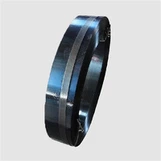
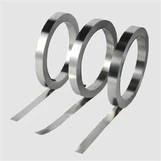
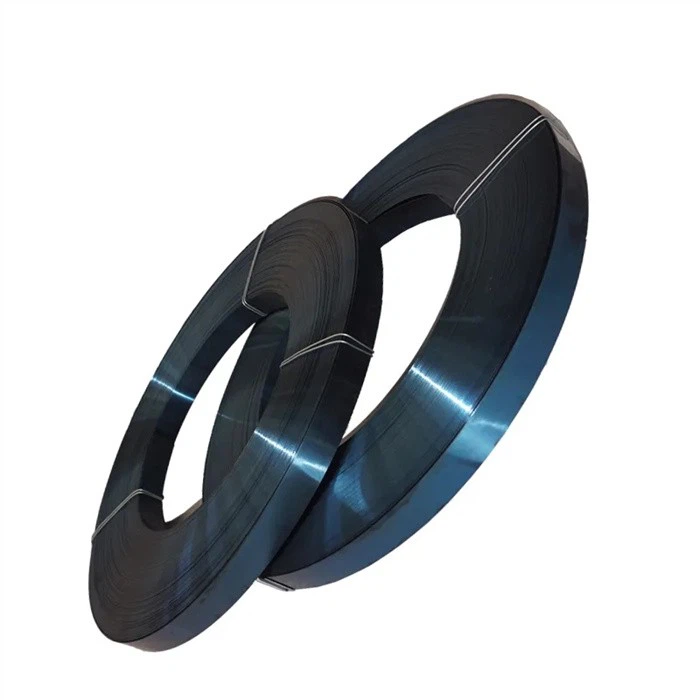
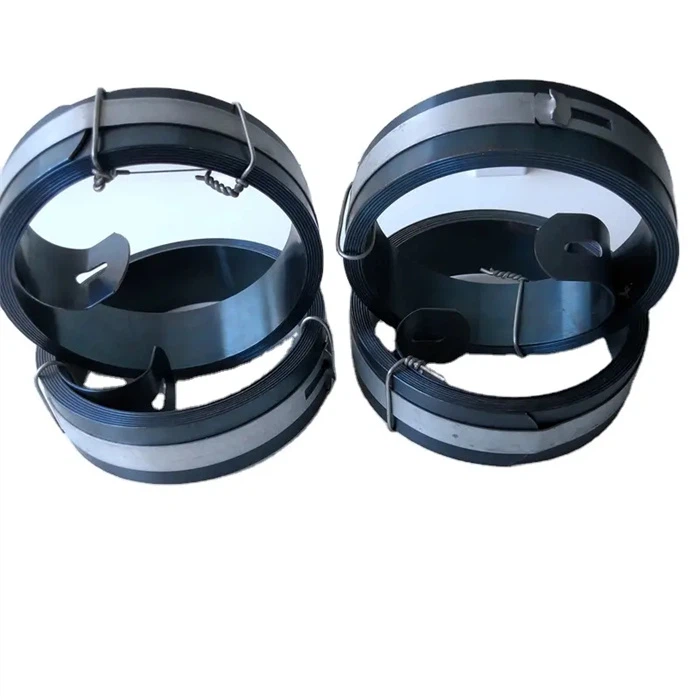
The development history of X32 Carbon Steel Strip is a fascinating journey that spans several decades, marked by continuous innovation, technological advancements, and a growing demand for high - quality steel products. As a supplier of X32 Carbon Steel Strip, I have witnessed firsthand the evolution of this remarkable material and its significance in various industries.
Early Beginnings and Basic Steelmaking
The story of X32 Carbon Steel Strip starts with the fundamental principles of steelmaking. Steel, an alloy of iron and carbon, has been produced for thousands of years. However, the specific composition and properties of X32 carbon steel began to take shape in the modern era of steel production.
In the early days, steelmaking was a labor - intensive and imprecise process. Basic open - hearth furnaces and Bessemer converters were used to produce steel. These methods had limitations in terms of controlling the exact chemical composition of the steel. The carbon content, which is a crucial factor in determining the properties of carbon steel, was difficult to regulate precisely. As a result, early steel products had inconsistent quality and properties.
The development of X32 Carbon Steel Strip was driven by the need for a steel with a specific carbon content and mechanical properties. The "X32" designation indicates a medium - high carbon steel, with a carbon content typically in the range that gives it a good balance between hardness, strength, and ductility. This makes it suitable for a wide range of applications, from tool manufacturing to the production of saw blades.
Technological Advancements in Steelmaking
As technology advanced, so did the methods of steelmaking. The introduction of electric arc furnaces (EAF) was a significant milestone in the production of X32 Carbon Steel Strip. EAFs allowed for more precise control of the steel's chemical composition. By melting scrap steel and adding specific alloys, steelmakers could achieve the exact carbon and alloy content required for X32 carbon steel.
Another important development was the use of continuous casting technology. This process replaced the traditional ingot - casting method, where steel was poured into large molds and then rolled into shapes. Continuous casting allows for a more efficient and consistent production of steel strips. The molten steel is continuously poured into a water - cooled mold, and the solidified steel is then drawn out in a continuous strand. This results in a more uniform structure and better surface quality of the steel strip.
The application of advanced rolling techniques also played a crucial role in the development of X32 Carbon Steel Strip. Cold rolling, in particular, is used to improve the surface finish, dimensional accuracy, and mechanical properties of the steel strip. Cold - rolled X32 Carbon Steel Strip has a smoother surface, tighter tolerances, and higher strength compared to hot - rolled strip.
Emergence of Applications
As the quality and properties of X32 Carbon Steel Strip improved, its applications began to expand. One of the most significant applications is in the production of saw blades. The hardness and wear resistance of X32 carbon steel make it an ideal material for saw blades used in cutting wood, metal, and other materials. The D6A Saws Blade Steel Strip is another example of a steel strip used in saw blade manufacturing, but X32 Carbon Steel Strip offers its own unique advantages in terms of cost - effectiveness and performance.
In the tool - making industry, X32 Carbon Steel Strip is used to produce various hand tools, such as chisels, punches, and files. The medium - high carbon content gives these tools the necessary hardness to cut and shape other materials, while still maintaining some ductility to prevent them from breaking easily.
The automotive industry also makes use of X32 Carbon Steel Strip in the production of components such as springs and clips. The combination of strength and elasticity makes it suitable for these applications, where the parts need to withstand repeated stress and deformation.
Quality Control and Standards
As the demand for X32 Carbon Steel Strip grew, so did the need for strict quality control and standards. International and national standards organizations have developed specifications for X32 carbon steel, which define the chemical composition, mechanical properties, and surface quality requirements.
Steel producers must adhere to these standards to ensure the consistency and reliability of their products. Quality control measures include chemical analysis, mechanical testing (such as tensile testing and hardness testing), and non - destructive testing (such as ultrasonic testing and magnetic particle inspection). These tests help to detect any defects or variations in the steel strip and ensure that it meets the required specifications.
Market Growth and Globalization
The market for X32 Carbon Steel Strip has experienced significant growth over the years, driven by the expansion of industries such as manufacturing, construction, and automotive. Globalization has also played a role in the development of the X32 Carbon Steel Strip market. Steel producers can now source raw materials from around the world and sell their products to a global customer base.
As a supplier of X32 Carbon Steel Strip, we have seen the impact of globalization on our business. We are able to offer our products to customers in different countries, and we also face competition from steel producers in other regions. This has forced us to continuously improve our products and services to meet the high expectations of our customers.
Future Trends in X32 Carbon Steel Strip Development
Looking to the future, several trends are likely to shape the development of X32 Carbon Steel Strip. One of the key trends is the increasing demand for more sustainable steel production. Steel producers are exploring ways to reduce their energy consumption, minimize waste, and use more recycled materials in the production of X32 Carbon Steel Strip.
Another trend is the development of new applications for X32 Carbon Steel Strip. With the advancement of technology, there may be new industries and products that require the unique properties of this steel. For example, the growth of the renewable energy sector may create opportunities for the use of X32 Carbon Steel Strip in the manufacturing of components for wind turbines and solar panels.
The ongoing research and development in materials science may also lead to further improvements in the properties of X32 Carbon Steel Strip. By adding new alloys or using advanced heat - treatment processes, it may be possible to enhance its strength, hardness, and corrosion resistance even further.
Conclusion
The history of X32 Carbon Steel Strip development is a story of innovation, technological progress, and market growth. From its humble beginnings in the early days of steelmaking to its current status as a widely used material in various industries, X32 Carbon Steel Strip has come a long way.
As a supplier of Medium and High Carbon Steel X32, we are proud to be part of this industry. We are committed to providing high - quality X32 Carbon Steel Strip that meets the strictest standards and customer requirements. If you are interested in purchasing X32 Carbon Steel Strip for your business, we invite you to contact us for a detailed discussion about your needs and how we can provide the best solutions for you.
References
- Steelmaking: Theory and Practice, by G. Krauss
- The History of Steel Production, published by the World Steel Association
- Handbook of Steel Properties, edited by J. R. Davis