The edge quality of 310 stainless steel sheet is a crucial aspect that significantly impacts its performance and usability in various applications. As a supplier of 310 Stainless Steel Sheet, I understand the importance of providing high - quality products with excellent edge characteristics. In this blog, we will delve into what edge quality means for 310 stainless steel sheets, the factors affecting it, and why it matters in different industries.
Understanding Edge Quality
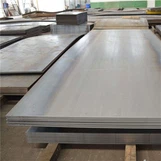
Edge quality refers to the physical characteristics and condition of the edges of a 310 stainless steel sheet. It encompasses several aspects, including smoothness, straightness, burrs, and the absence of cracks or other defects. A high - quality edge is smooth to the touch, straight along the length of the sheet, and free from any irregularities that could compromise the sheet's integrity or its ability to be used in further processing.
Smooth edges are essential because they prevent injuries during handling. Workers who come into contact with the sheets are less likely to get cut or scratched if the edges are well - finished. In addition, smooth edges also facilitate the assembly process. When joining multiple sheets together, smooth edges ensure a better fit and a more aesthetically pleasing end product.
Straight edges are equally important, especially in applications where precision is key. For example, in the construction of machinery or in architectural projects, straight edges ensure that the sheets align correctly. This alignment is crucial for the proper functioning of the final product and can prevent structural issues down the line.
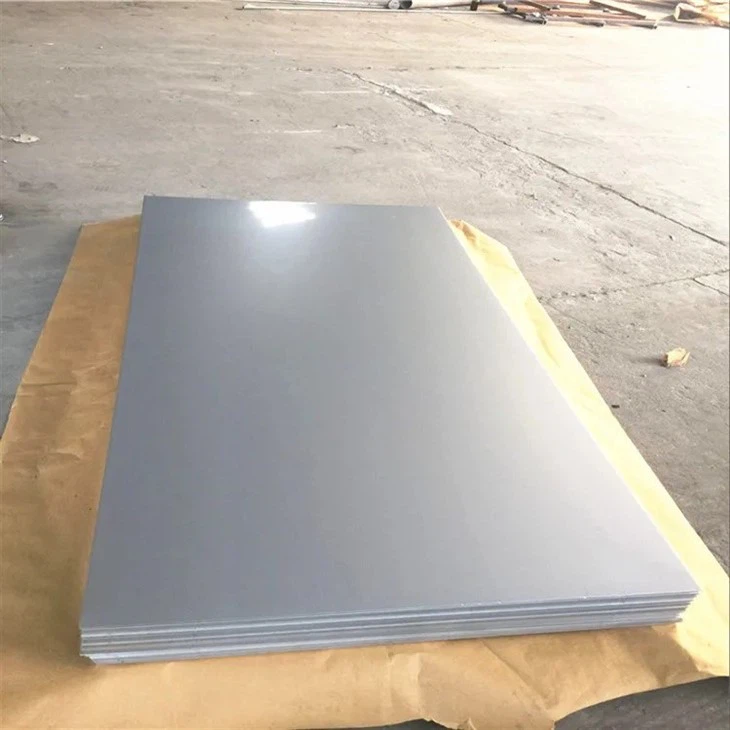

Factors Affecting Edge Quality
Manufacturing Process
The manufacturing process of 310 stainless steel sheets has a significant impact on edge quality. The initial rolling process, whether it is hot rolling or cold rolling, sets the foundation for the sheet's overall quality. Cold rolling, for instance, can produce sheets with a smoother surface finish and more precise dimensions. Our Cold Rolled 5mm Thickness SUS 301 2B Sheet is a prime example of a product that benefits from the cold - rolling process, which can also contribute to better edge quality.
After rolling, the cutting process is critical. Different cutting methods, such as shearing, laser cutting, or plasma cutting, have different effects on the edges. Shearing is a common method, but it can sometimes leave burrs on the edges. Laser cutting, on the other hand, can provide a cleaner and more precise cut, resulting in better edge quality. However, laser cutting is more expensive and may not be suitable for all applications.
Material Properties
The inherent properties of 310 stainless steel also play a role in edge quality. 310 stainless steel is known for its high chromium and nickel content, which gives it excellent corrosion resistance and high - temperature strength. However, these properties can also make the material more difficult to cut and shape. If the cutting parameters are not properly adjusted, it can lead to rough edges, cracks, or other defects.
Quality Control
Effective quality control measures are essential for ensuring good edge quality. At our company, we have a strict quality control system in place. We inspect each sheet carefully before it leaves our facility. This includes checking the edges for burrs, straightness, and any signs of damage. By maintaining high - quality control standards, we can guarantee that our customers receive 310 stainless steel sheets with excellent edge quality.
Importance of Edge Quality in Different Industries
Construction Industry
In the construction industry, 310 stainless steel sheets are often used for roofing, cladding, and structural components. Good edge quality is crucial for ensuring a watertight and weather - resistant installation. Straight and smooth edges allow for proper sealing between sheets, preventing water leakage and protecting the building's interior from damage. Our 321 Stainless Plate also finds applications in construction, and similar edge quality requirements apply.
Food and Beverage Industry
In the food and beverage industry, 310 stainless steel sheets are used for equipment such as tanks, conveyors, and processing machinery. The edge quality is of utmost importance in this industry to prevent contamination. Smooth edges are easier to clean and sanitize, reducing the risk of bacteria or other contaminants accumulating on the edges of the equipment.
Automotive Industry
The automotive industry uses 310 stainless steel sheets for exhaust systems, trim, and other components. High - quality edges are necessary for proper fitting and performance. In exhaust systems, for example, smooth and straight edges ensure a tight seal, reducing the risk of exhaust leaks and improving the overall efficiency of the vehicle.
Measuring and Assessing Edge Quality
There are several methods for measuring and assessing the edge quality of 310 stainless steel sheets. Visual inspection is the most basic method. Inspectors look for obvious defects such as burrs, cracks, or uneven edges. However, visual inspection may not be sufficient for detecting small or internal defects.
Dimensional measurement tools, such as calipers and micrometers, can be used to measure the straightness and thickness of the edges. These tools provide precise measurements and can help identify any deviations from the desired specifications.
In some cases, more advanced techniques such as non - destructive testing (NDT) may be used. NDT methods, such as ultrasonic testing or magnetic particle testing, can detect internal defects in the edges that are not visible to the naked eye.
Maintaining Edge Quality during Handling and Storage
Even after the sheets have been manufactured with high - quality edges, proper handling and storage are essential to maintain that quality. During transportation, the sheets should be properly secured to prevent them from shifting and damaging the edges. Soft padding can be used to protect the edges from impact.
In storage, the sheets should be stored in a dry and clean environment. Moisture can cause corrosion, which can degrade the edge quality over time. Stacking the sheets properly is also important to prevent warping or bending of the edges.
Conclusion
The edge quality of 310 stainless steel sheets is a multi - faceted concept that encompasses smoothness, straightness, and the absence of defects. It is influenced by various factors, including the manufacturing process, material properties, and quality control measures. Good edge quality is crucial in different industries, from construction to food and beverage and automotive.
As a supplier of 310 Stainless Steel Sheet, we are committed to providing our customers with products that meet the highest standards of edge quality. We use advanced manufacturing techniques and strict quality control procedures to ensure that every sheet we supply has excellent edges. If you are in the market for high - quality 310 stainless steel sheets, we invite you to contact us for a detailed discussion on your specific requirements. Whether you need sheets for a small project or a large - scale industrial application, we have the expertise and the products to meet your needs.
References
- ASM Handbook Committee. (2004). ASM Handbook, Volume 13A: Corrosion: Fundamentals, Testing, and Protection. ASM International.
- Schaeffler, A. (1949). Constitution Diagram for Stainless Steels. Metal Progress.
- Steel Market Development Institute. (2019). The Basics of Stainless Steel.