As a supplier of SK4 Carbon Tool Steel, I understand the critical importance of ensuring the quality of our products. Detecting defects in SK4 carbon tool steel is a multi - faceted process that involves a combination of advanced techniques and industry - best practices. In this blog, I'll share in - depth insights into how we effectively detect defects in SK4 carbon tool steel to provide our customers with the highest - quality materials.
Understanding SK4 Carbon Tool Steel
Before delving into defect detection, it's essential to understand what SK4 carbon tool steel is. SK4 is a high - carbon steel known for its excellent hardness, wear resistance, and ability to hold a sharp edge. It is widely used in the manufacturing of cutting tools, dies, and punches. The chemical composition of SK4 typically includes a high percentage of carbon (around 0.95 - 1.05%), which gives it its characteristic properties. You can find more information about SK4 Carbon Tool Steel on our website SK4 Carbon Tool Steel.
Visual Inspection
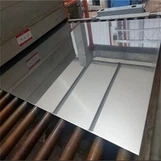
Visual inspection is the first and most basic step in defect detection. Our experienced quality control team carefully examines the surface of the SK4 carbon tool steel using proper lighting conditions. We look for obvious signs of defects such as cracks, scratches, pits, and surface irregularities. Cracks can significantly weaken the steel and lead to premature failure during use. Scratches may not only affect the appearance but also act as stress concentrators, potentially causing the steel to break under load.
During visual inspection, we also check for any signs of oxidation or rust. Oxidation can reduce the corrosion resistance of the steel and may indicate improper storage or handling. If any surface defects are detected, the affected steel is marked for further evaluation or rejected depending on the severity of the defect.
Dimensional Inspection
Accurate dimensions are crucial for the proper functioning of SK4 carbon tool steel in various applications. We use precision measuring tools such as calipers, micrometers, and coordinate measuring machines (CMMs) to ensure that the steel meets the specified dimensional requirements. Deviations from the standard dimensions can lead to problems during machining or assembly.
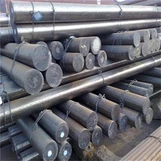
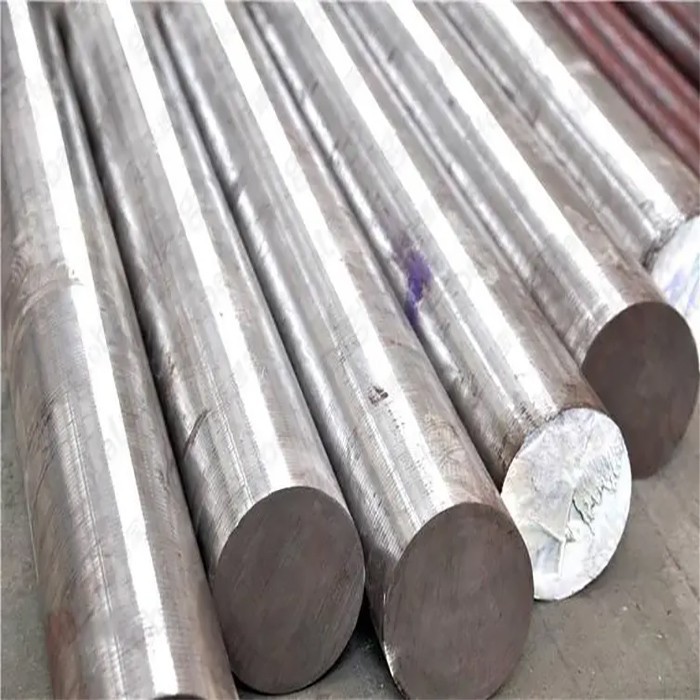
For example, if the diameter of a round bar of SK4 steel is not within the tolerance range, it may not fit properly into a tool holder or a die cavity. Similarly, incorrect thickness in a flat sheet of SK4 steel can affect the performance of a cutting tool. By conducting thorough dimensional inspections, we can identify and correct any issues before the steel is shipped to our customers.
Hardness Testing
Hardness is one of the most important properties of SK4 carbon tool steel. It directly affects the steel's wear resistance and cutting ability. We use several methods to test the hardness of SK4 steel, including the Rockwell hardness test, Brinell hardness test, and Vickers hardness test.
The Rockwell hardness test is a common method used in our quality control process. It measures the depth of penetration of an indenter into the steel under a specific load. The Brinell hardness test uses a hard steel ball as an indenter and measures the diameter of the indentation. The Vickers hardness test uses a diamond pyramid indenter and is suitable for testing small or thin specimens.
If the hardness of the SK4 steel is too low, it may not be able to withstand the wear and tear of cutting or forming operations. On the other hand, if the hardness is too high, the steel may become brittle and prone to cracking. By ensuring that the hardness of the SK4 steel is within the specified range, we can guarantee its performance in different applications.
Ultrasonic Testing
Ultrasonic testing is a non - destructive testing method that we use to detect internal defects in SK4 carbon tool steel. This technique involves sending high - frequency sound waves into the steel and analyzing the reflections. When a sound wave encounters a defect such as a crack, void, or inclusion, it is reflected back, and the pattern of the reflected waves can be used to determine the location, size, and type of the defect.
Ultrasonic testing is particularly useful for detecting internal defects that are not visible on the surface. It can detect defects deep within the steel, which may not be detected by other non - destructive testing methods. This helps us ensure the integrity of the entire volume of the SK4 steel, not just the surface.
Magnetic Particle Testing
Magnetic particle testing is another non - destructive testing method that is suitable for detecting surface and near - surface defects in ferromagnetic materials like SK4 carbon tool steel. In this method, a magnetic field is applied to the steel, and magnetic particles are then applied to the surface. If there is a defect, the magnetic field is disrupted, and the magnetic particles will accumulate at the defect site, making it visible.
This method is very effective for detecting cracks and other surface - breaking defects. It is relatively quick and easy to perform, and it can be used on a variety of shapes and sizes of SK4 steel products. However, it is limited to detecting surface and near - surface defects and may not be suitable for detecting internal defects deep within the steel.
Metallographic Analysis
Metallographic analysis involves examining the microstructure of the SK4 carbon tool steel under a microscope. This technique provides valuable information about the grain size, phase composition, and the presence of any inclusions or defects in the steel.
We prepare samples of the SK4 steel by cutting, grinding, and polishing them to a smooth finish. Then, we etch the samples to reveal the microstructure. By analyzing the microstructure, we can determine if the steel has been properly heat - treated. For example, an improper heat - treatment process may result in a non - uniform grain size or the presence of undesirable phases, which can affect the mechanical properties of the steel.
Inclusions in the steel can also be identified through metallographic analysis. Inclusions are foreign particles that are present in the steel during the manufacturing process. They can act as stress concentrators and reduce the toughness and fatigue resistance of the steel. By controlling the inclusion content and size, we can improve the quality of the SK4 carbon tool steel.
Chemical Analysis
The chemical composition of SK4 carbon tool steel plays a crucial role in determining its properties. We use advanced analytical techniques such as optical emission spectroscopy (OES) and X - ray fluorescence (XRF) to analyze the chemical composition of the steel.
These methods can accurately measure the percentage of different elements in the steel, including carbon, silicon, manganese, sulfur, and phosphorus. Deviations from the specified chemical composition can affect the hardness, toughness, and corrosion resistance of the steel. For example, an excessive amount of sulfur can reduce the machinability and weldability of the steel, while a low carbon content may result in insufficient hardness.
By ensuring that the chemical composition of the SK4 steel meets the required standards, we can guarantee its performance and quality.
Conclusion
Detecting defects in SK4 carbon tool steel is a comprehensive process that requires a combination of different testing methods. From visual inspection to advanced non - destructive testing techniques and chemical analysis, each step plays a vital role in ensuring the quality of our products.

As a supplier, we are committed to providing our customers with high - quality SK4 carbon tool steel that meets or exceeds industry standards. If you are in need of SK4 carbon tool steel or have any questions about our products, please feel free to contact us for procurement and further discussion. We look forward to serving you and meeting your specific requirements.
References
- ASM Handbook Volume 3: Alloy Phase Diagrams.
- ASTM Standards for Carbon Tool Steels.
- "Metallurgy of Tool Steels" by George E. Totten.