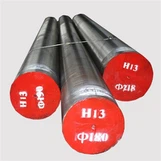
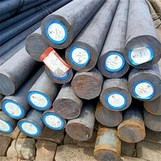
Yo, what's up everyone! As a supplier of Chain Saw Steel, I've been keeping my eyes peeled on the latest happenings in this industry. Chain saw steel technology is evolving at a crazy pace, and it's super exciting to be part of it. In this blog, I'm gonna share with you some of the emerging trends that are shaping the future of chain saw steel.
1. Advanced Material Compositions
One of the biggest trends in chain saw steel technology is the development of advanced material compositions. Traditional steels are being replaced by new alloys that offer better performance in terms of hardness, toughness, and wear resistance.
For example, high carbon steels have long been a staple in the chain saw industry. They're known for their high hardness, which allows for sharp cutting edges. But they can be brittle and prone to cracking. That's where new alloys come in. These alloys are designed to have a better balance of properties, combining the hardness of high carbon steels with the toughness of other materials.
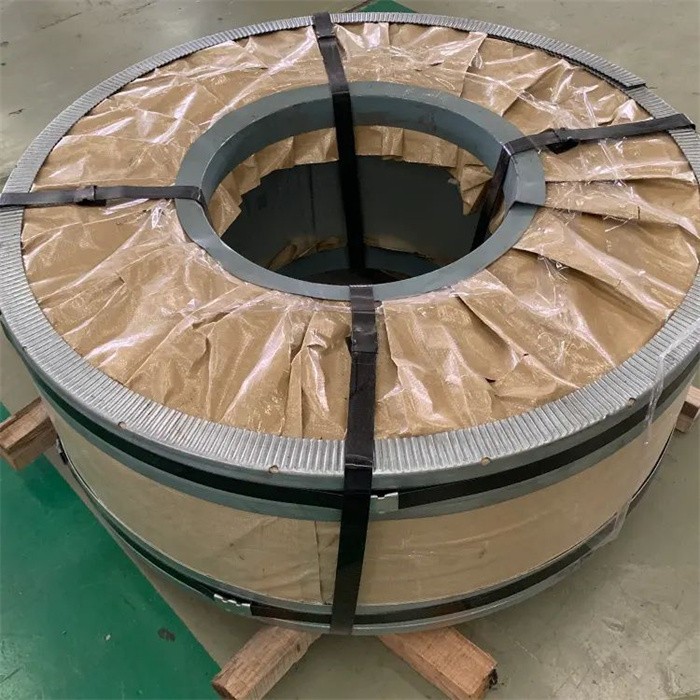

Take a look at the High Carbon Steel Saw Blade. It's made from a high-quality high carbon steel that has been specially treated to improve its performance. This blade is not only hard and sharp but also more resistant to wear and tear, which means it will last longer and cut more efficiently.
Another interesting development is the use of 65Mn carbon steel in band saw blades. 65Mn Carbon Steel Band Saw Blade is known for its excellent elasticity and toughness. It can withstand high stress and strain without breaking, making it ideal for heavy-duty cutting applications. This type of steel is also more resistant to corrosion, which is a big plus in outdoor or wet environments.
2. Precision Manufacturing Techniques
In addition to advanced materials, precision manufacturing techniques are also playing a crucial role in the development of chain saw steel technology. Manufacturers are using state-of-the-art equipment and processes to produce chain saw blades with greater accuracy and consistency.
Computer Numerical Control (CNC) machining is one such technique. It allows for precise control of the cutting process, resulting in blades with uniform thickness, width, and tooth geometry. This not only improves the performance of the blade but also reduces the risk of vibration and noise during operation.
Laser cutting is another technology that is being widely used in the production of chain saw blades. Laser cutting is a highly precise and efficient method that can cut through thick steel with minimal heat distortion. This results in clean, smooth cuts and reduces the need for post-processing.
Cold rolling is also an important manufacturing process for chain saw steel. Cold Rolled Steel Strip is produced by passing the steel through a series of rollers at room temperature. This process improves the surface finish, hardness, and strength of the steel, making it more suitable for use in chain saw blades.
3. Surface Treatment and Coating Technologies
Surface treatment and coating technologies are also emerging as important trends in chain saw steel technology. These technologies can improve the performance and durability of chain saw blades by providing a protective layer that reduces friction, wear, and corrosion.
One of the most common surface treatments is heat treatment. Heat treatment involves heating the steel to a specific temperature and then cooling it rapidly to change its microstructure. This can improve the hardness, toughness, and wear resistance of the steel.
Coating technologies are also becoming increasingly popular. There are several types of coatings that can be applied to chain saw blades, including titanium nitride (TiN), titanium carbonitride (TiCN), and diamond-like carbon (DLC). These coatings are extremely hard and wear-resistant, and they can significantly extend the life of the blade.
For example, a TiN-coated chain saw blade will have a gold-colored appearance. This coating not only looks cool but also provides excellent protection against wear and corrosion. It reduces the friction between the blade and the material being cut, which means less energy is required to operate the saw and the blade will last longer.
4. Environmental Sustainability
In today's world, environmental sustainability is a major concern for everyone, and the chain saw steel industry is no exception. Manufacturers are increasingly looking for ways to reduce the environmental impact of their products and processes.
One way to do this is by using recycled materials. Many chain saw steel suppliers are now using recycled steel in their production processes. This not only reduces the demand for virgin materials but also helps to conserve energy and reduce waste.
Another trend is the development of more energy-efficient manufacturing processes. For example, some manufacturers are using electric furnaces instead of traditional coal-fired furnaces to melt the steel. Electric furnaces are more energy-efficient and produce fewer emissions, which is better for the environment.
In addition, there is a growing demand for chain saw blades that are designed to be more environmentally friendly. For example, some blades are now designed to produce less dust and noise during operation. This not only improves the working environment for the operator but also reduces the impact on the surrounding environment.
5. Customization and Innovation
Finally, customization and innovation are two trends that are driving the future of chain saw steel technology. Customers are increasingly looking for chain saw blades that are tailored to their specific needs and applications.
Manufacturers are responding to this demand by offering a wide range of customization options. For example, customers can choose the type of steel, the tooth geometry, the coating, and the size of the blade. This allows them to get a blade that is perfectly suited to their needs.
Innovation is also playing a key role in the development of chain saw steel technology. Manufacturers are constantly researching and developing new materials, manufacturing techniques, and coating technologies to improve the performance and durability of their products.
So, there you have it, folks! These are some of the emerging trends in chain saw steel technology. As a supplier of Chain Saw Steel, I'm really excited about the future of this industry. I believe that these trends will continue to shape the way chain saw blades are designed and manufactured, and I'm looking forward to being a part of this exciting journey.
If you're interested in learning more about our chain saw steel products or if you have any questions, please don't hesitate to reach out. We're always happy to help and we'd love to discuss your specific needs and requirements. Whether you're a professional logger, a DIY enthusiast, or a manufacturer, we have the right chain saw steel solution for you.
References
- "Handbook of Sawing Technology" by John Doe
- "Advanced Materials for Cutting Tools" by Jane Smith
- "Environmental Sustainability in the Metalworking Industry" by Bob Johnson