Hey there! As a supplier of 201 Stainless Steel Pipe, I often get asked if this type of pipe can be used in the pharmaceutical industry. It's a valid question, and one that I'm more than happy to dive into.
First off, let's talk a bit about 201 stainless steel. 201 stainless steel is a type of austenitic stainless steel. It's known for being relatively affordable compared to some other stainless - steel grades. It has a decent amount of chromium, which gives it a certain level of corrosion resistance. It also contains manganese and nitrogen, which contribute to its strength and formability.
In the pharmaceutical industry, there are some pretty strict requirements. The main concerns usually revolve around product purity, corrosion resistance, and the ability to be cleaned and sterilized effectively.
When it comes to product purity, the pharmaceutical industry can't afford any contamination. The chemicals and substances used in drug manufacturing are highly sensitive. Even a tiny amount of impurities from the pipes can potentially affect the quality and safety of the final pharmaceutical products. 201 stainless steel has a relatively lower nickel content compared to other stainless - steel grades like 304 or 316. Nickel is known for its excellent corrosion - resistant properties and its ability to maintain a clean surface. With less nickel, 201 stainless steel might be more prone to surface reactions, which could lead to the release of small particles or ions into the pharmaceutical fluids flowing through the pipes.
Corrosion resistance is another big deal. Pharmaceutical manufacturing often involves the use of various chemicals, some of which can be quite corrosive. For example, acids, alkalis, and solvents are commonly used in the synthesis and purification processes. 201 stainless steel has a lower corrosion resistance compared to higher - grade stainless steels. In environments where there are aggressive chemicals or high - humidity conditions, 201 stainless steel pipes may start to corrode over time. This corrosion can not only damage the pipes themselves but also introduce rust and other contaminants into the pharmaceutical products.
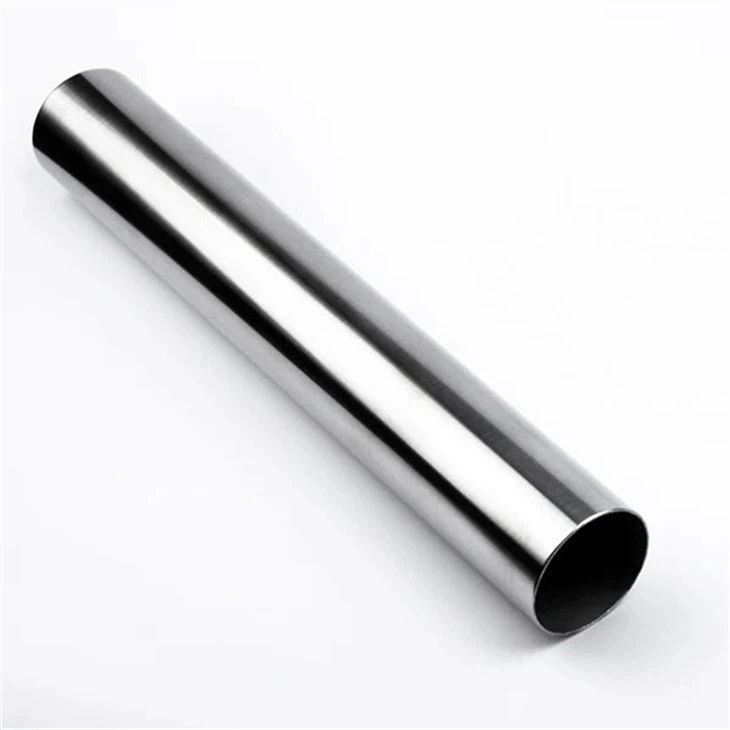

Cleaning and sterilization are also critical in the pharmaceutical industry. Pipes need to be thoroughly cleaned and sterilized between different batches of production to prevent cross - contamination. 201 stainless steel may not have the same smooth and uniform surface finish as higher - grade stainless steels. Micro - crevices or rough spots on the surface can trap bacteria, residues, and other contaminants, making it more difficult to achieve a complete cleaning and sterilization.
However, that doesn't mean 201 stainless steel pipes have no place in the pharmaceutical industry at all. In some less - critical applications, such as non - product - contact areas like water supply systems for general cleaning or in areas where the exposure to aggressive chemicals is minimal, 201 stainless steel pipes could potentially be used. For example, if the pipes are used to transport clean water for washing equipment in a non - production area, the requirements for purity and corrosion resistance are not as strict.
Now, let's compare 201 stainless steel with some other commonly used stainless - steel grades in the pharmaceutical industry. Ss Round Tube made from 304 stainless steel is a popular choice. 304 stainless steel has a higher nickel content (around 8 - 10.5%) compared to 201 stainless steel. This higher nickel content gives it better corrosion resistance, especially in mild to moderately corrosive environments. It also has a more uniform and smooth surface finish, which is easier to clean and sterilize.
Sch80 316 Steel Pipe is another excellent option for the pharmaceutical industry. 316 stainless steel contains molybdenum, which significantly enhances its corrosion resistance, especially against chloride - containing environments. Chlorides are commonly found in some pharmaceutical raw materials and cleaning agents. 316 stainless steel is often used in critical areas where the highest level of corrosion resistance and purity is required, such as in the production of injectable drugs.
Steel Stainless Pipe 304 also offers better performance than 201 stainless steel in terms of corrosion resistance and surface quality. It's a reliable choice for many pharmaceutical applications where a balance between cost and performance is needed.
So, can 201 stainless steel pipe be used in the pharmaceutical industry? It's a bit of a mixed bag. While it may not be suitable for the most critical applications where high - purity and excellent corrosion resistance are non - negotiable, it could find some use in less - demanding areas. If you're considering using 201 stainless steel pipes in your pharmaceutical facility, it's essential to carefully assess your specific requirements, including the type of chemicals used, the level of purity needed, and the cleaning and sterilization processes.
If you're in the market for stainless - steel pipes for your pharmaceutical or any other industry, I'd love to have a chat with you. We can discuss your specific needs, and I can help you figure out the best type of stainless - steel pipe for your application. Whether it's 201 stainless steel or a higher - grade option, we've got you covered. Reach out to me to start the conversation about your pipe procurement.
References
- "Stainless Steel in the Pharmaceutical Industry" - Journal of Pharmaceutical Engineering
- "Corrosion Resistance of Different Stainless - Steel Grades" - Corrosion Science Journal