Hey there! As a supplier of Cold Rolled Steel Strip, I've been in the thick of this industry for quite a while. And let me tell you, there are a bunch of factors that can affect the quality of Cold Rolled Steel Strip. In this blog, I'm gonna break them down for you.
1. Raw Material Quality
The quality of the raw material is like the foundation of a building. If it's weak, the whole thing is gonna crumble. For Cold Rolled Steel Strip, the base steel used plays a huge role. Different grades of steel have different chemical compositions, and these compositions determine the steel's properties.


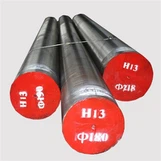
For instance, the SAE8660 Nickel Chrome Molybdenum Alloy Steel SAE8660 Nickel Chrome Molybdenum Alloy Steel is known for its high strength and good toughness. When this kind of high - quality alloy steel is used as the raw material for Cold Rolled Steel Strip, the resulting strip is likely to have excellent mechanical properties. On the other hand, if the raw steel has impurities like sulfur, phosphorus, or non - metallic inclusions, it can significantly reduce the quality of the Cold Rolled Steel Strip. These impurities can cause brittleness, cracks, and other defects in the strip, making it less reliable for various applications.
2. Rolling Process
The rolling process is where the magic happens. It's like the cooking process for our Cold Rolled Steel Strip. There are several key aspects of the rolling process that affect the quality.
Rolling Temperature
The temperature at which the steel is rolled is crucial. Cold rolling, as the name suggests, is done at relatively low temperatures. If the temperature is too high during the cold - rolling process, the steel may experience excessive softening, which can lead to poor dimensional accuracy and surface finish. On the contrary, if the temperature is too low, the steel may become too hard and brittle, increasing the risk of cracking during rolling.
Rolling Speed
The speed at which the steel is rolled also matters. A too - high rolling speed can cause uneven deformation of the steel strip. This uneven deformation can result in thickness variations across the strip, which is a big no - no in many applications. For example, in the automotive industry, where precision is key, any thickness variation in the Cold Rolled Steel Strip can affect the performance of the parts made from it.
Number of Passes
The number of passes during the rolling process can influence the quality of the Cold Rolled Steel Strip. More passes generally mean more uniform deformation and better surface finish. However, too many passes can also increase the production cost and may cause work - hardening of the steel, which can make it difficult to further process the strip.
3. Heat Treatment
Heat treatment is like a tune - up for our Cold Rolled Steel Strip. It can be used to modify the microstructure and properties of the strip.
Annealing
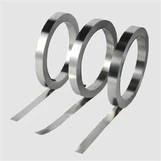
Annealing is a common heat - treatment process for Cold Rolled Steel Strip. It involves heating the strip to a specific temperature and then cooling it slowly. This process can relieve internal stresses that are generated during the rolling process, improve the ductility of the steel, and refine the grain structure. For example, the 50CrV4 Spring Alloy Steel Strip 50CrV4 Spring Alloy Steel Strip often undergoes annealing to enhance its spring properties.
Quenching and Tempering
Quenching and tempering are other heat - treatment methods. Quenching involves rapid cooling of the steel from a high temperature, which can increase the hardness of the steel. However, quenched steel is usually very brittle. Tempering is then used to reduce the brittleness and improve the toughness of the steel. If the heat - treatment parameters are not properly controlled, it can lead to problems like over - hardening, under - hardening, or cracking in the Cold Rolled Steel Strip.
4. Surface Treatment
The surface of the Cold Rolled Steel Strip is its first line of defense. A good surface treatment can protect the strip from corrosion, improve its appearance, and enhance its performance in different environments.
Galvanizing
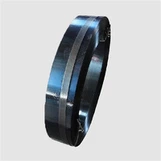
Galvanizing is a popular surface - treatment method. It involves coating the steel strip with a layer of zinc. The zinc coating acts as a sacrificial anode, protecting the steel from rusting. For outdoor applications or in humid environments, galvanized Cold Rolled Steel Strip Cold Rolled Steel Strip can last much longer than non - galvanized strip.
Painting
Painting is another way to protect the surface of the steel strip. A good paint coating can not only prevent corrosion but also provide a decorative finish. However, the quality of the paint and the painting process are important. If the surface is not properly prepared before painting, the paint may not adhere well, leading to peeling and reduced protection.
5. Storage and Transportation
Even after the Cold Rolled Steel Strip is produced, its quality can still be affected during storage and transportation.
Storage Conditions
If the strip is stored in a humid or corrosive environment, it can start to rust. Moisture and oxygen are the enemies of steel. Storing the strip in a dry, well - ventilated area can help prevent corrosion. Also, the way the strip is stacked is important. If it's stacked too tightly or unevenly, it can cause deformation or damage to the strip.
Transportation
During transportation, the strip can be subjected to shocks, vibrations, and impacts. These can cause dents, scratches, or even cracks in the strip. Proper packaging and handling are essential to ensure that the Cold Rolled Steel Strip arrives at its destination in good condition.
In conclusion, the quality of Cold Rolled Steel Strip is affected by a whole bunch of factors, from the raw material quality to the storage and transportation conditions. As a supplier, we need to pay close attention to every step of the process to ensure that we deliver high - quality products to our customers.
If you're in the market for Cold Rolled Steel Strip and want to learn more about our products or have any questions regarding the quality and applications, feel free to reach out. We're always here to help you make the right choice for your needs.
References
- ASM Handbook Volume 6: Welding, Brazing, and Soldering.
- Metals Handbook Desk Edition, Third Edition.
- "Cold Rolling of Steel" by various industry research papers.