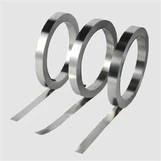
Hey there! As a supplier of Cold Rolled Steel Strip, I've got a fair bit of knowledge about the ins and outs of welding this material. Welding Cold Rolled Steel Strip isn't as straightforward as it might seem, and there are quite a few precautions you need to take to ensure a successful weld. In this blog, I'm gonna share some key points that you should keep in mind when welding Cold Rolled Steel Strip.
1. Surface Preparation
First things first, the surface of the Cold Rolled Steel Strip needs to be clean. Cold Rolled Steel Strip often has a smooth finish, but it can also have contaminants like oil, grease, or rust on it. These contaminants can really mess up the welding process. They can cause porosity in the weld, which weakens the joint.
To clean the surface, you can use a degreaser to remove any oil or grease. For rust, a wire brush or sandpaper can do the trick. Make sure you clean a wide area around the weld joint, not just the immediate area. This helps prevent any contaminants from getting into the weld as you're working.
2. Selecting the Right Welding Method
There are several welding methods out there, and not all of them are suitable for Cold Rolled Steel Strip. The most common methods used for this material are MIG (Metal Inert Gas) welding and TIG (Tungsten Inert Gas) welding.
MIG welding is a popular choice because it's relatively fast and easy to learn. It uses a wire electrode that's fed through a welding gun, and an inert gas like argon or a mixture of argon and carbon dioxide to protect the weld from oxidation. This method is great for thicker Cold Rolled Steel Strip.
TIG welding, on the other hand, is more precise. It uses a non - consumable tungsten electrode to create the arc, and you add filler metal manually. TIG welding is ideal for thinner Cold Rolled Steel Strip and for applications where a high - quality, clean weld is required.
3. Choosing the Correct Filler Material
The filler material you choose is crucial for a strong and durable weld. When welding Cold Rolled Steel Strip, you want to select a filler material that has similar properties to the base metal. For most common Cold Rolled Steel Strips, a filler wire with a matching carbon content is a good choice.
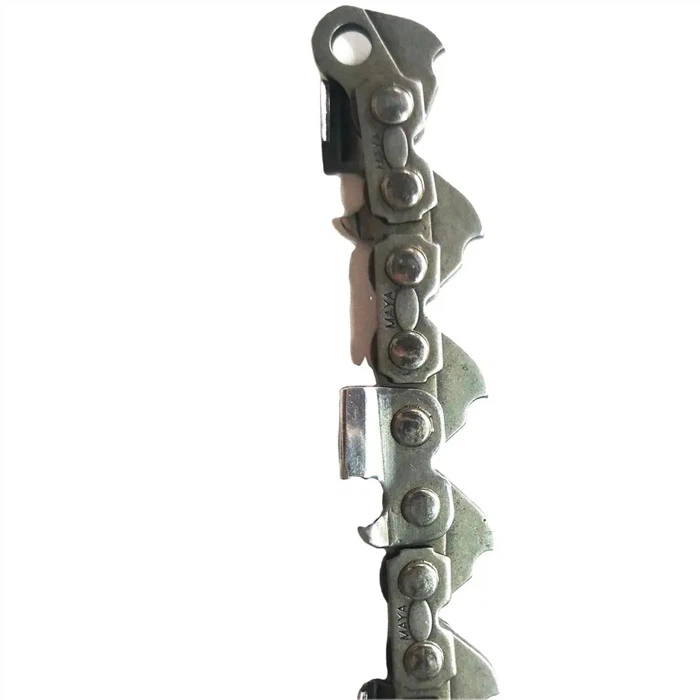
If you're unsure about which filler material to use, consult the manufacturer's specifications for the Cold Rolled Steel Strip. They usually provide recommendations on the best filler materials for welding their product. And if you're looking for high - quality steel products like Chain Saw Steel or High Carbon Steel Saw Blade, you can check out the links for more information.
4. Controlling the Welding Parameters
Welding parameters such as current, voltage, and travel speed play a huge role in the quality of the weld. If the current is too high, it can cause excessive melting of the base metal, leading to burn - through. On the other hand, if the current is too low, the weld may not penetrate properly, resulting in a weak joint.
The voltage also needs to be set correctly. A higher voltage can create a wider, shallower weld, while a lower voltage produces a narrower, deeper weld. Travel speed is another important factor. If you move too fast, the weld may not be fully formed, and if you move too slowly, you can overheat the material.
It's a good idea to do some test welds on a scrap piece of Cold Rolled Steel Strip to find the optimal welding parameters for your specific application.
5. Pre - heating and Post - heating
In some cases, pre - heating the Cold Rolled Steel Strip before welding can be beneficial. Pre - heating helps reduce the cooling rate of the weld, which can prevent cracking. The temperature and duration of pre - heating depend on the thickness of the steel strip and its carbon content.
Post - heating is also important, especially for thicker Cold Rolled Steel Strips or those with higher carbon content. Post - heating helps relieve the residual stresses in the weld and the surrounding area, which can improve the long - term performance of the joint.
6. Welding Environment
The environment in which you're welding matters a lot. Welding Cold Rolled Steel Strip in a windy or drafty area can cause the shielding gas to disperse, leading to oxidation of the weld. Make sure you work in a sheltered area or use windbreaks if necessary.
Also, the humidity in the environment can affect the weld. High humidity can introduce moisture into the weld, which can cause porosity and other defects. If possible, try to weld in a dry environment.
7. Safety Precautions
Safety should always be your top priority when welding. Wear appropriate protective gear, including a welding helmet, gloves, and a welding jacket. The welding helmet should have the correct shade of lens to protect your eyes from the intense light and UV radiation produced during welding.
Make sure your workspace is well - ventilated to avoid inhaling harmful fumes and gases. If you're welding in an enclosed area, use a ventilation system or a respirator.
8. Quality Inspection
Once you've completed the weld, it's essential to inspect it for quality. Look for any visible defects such as cracks, porosity, or lack of fusion. You can use non - destructive testing methods like visual inspection, dye penetrant testing, or ultrasonic testing to check the integrity of the weld.
If you find any defects, you may need to repair the weld or, in some cases, start over. A high - quality weld is crucial for the performance and safety of the final product.
Conclusion
Welding Cold Rolled Steel Strip requires careful attention to detail and adherence to these precautions. By properly preparing the surface, selecting the right welding method and filler material, controlling the welding parameters, and taking the necessary safety measures, you can achieve strong, durable welds.
If you're in the market for high - quality Cold Rolled Steel Strip or other steel products like SAE8660 Nickel Chrome Molybdenum Alloy Steel, we're here to help. We offer a wide range of steel products that meet the highest standards. If you have any questions or are interested in making a purchase, feel free to reach out to us for a procurement discussion. We're always happy to assist you in finding the right solutions for your needs.
References
- Welding Handbook, American Welding Society
- Steel Product Manuals, various steel manufacturers