What is the wear resistance of tool steel? Well, let me break it down for you as a tool steel supplier. Wear resistance is one of the most crucial properties when it comes to tool steel, and it can make or break the performance of your tools in various applications.
First off, wear resistance refers to a material's ability to withstand the gradual loss of material due to contact with another surface. In the case of tool steel, this is super important because tools are constantly in use, rubbing against other materials like metals, wood, or plastics. If the tool steel doesn't have good wear resistance, the tool will quickly wear out, lose its sharpness, and become less effective.
There are different types of wear that tool steel can face. Abrasive wear is probably the most common one. It happens when hard particles on the workpiece or in the environment scratch the surface of the tool. For example, when you're cutting through a metal with a lot of impurities or machining a rough - textured material, abrasive wear is at play. Another type is adhesive wear. This occurs when two surfaces stick together and then tear apart, causing bits of the tool steel to be pulled off. This can happen in high - pressure and high - temperature situations, like in some metal - forming processes.
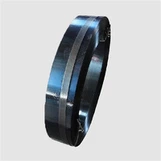
Now, what factors affect the wear resistance of tool steel? One of the big ones is the carbon content. Generally, higher carbon content in tool steel means better wear resistance. Carbon forms hard carbide particles in the steel matrix. These carbides act like tiny, hard shields, protecting the softer parts of the steel from being worn away. For instance, SK4 Carbon Tool Steel has a relatively high carbon content, which gives it good wear - resistant properties. It's often used in applications where the tool needs to cut through hard materials for a long time without significant wear.
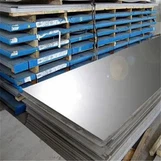
The alloying elements also play a huge role. Elements like chromium, vanadium, and tungsten are commonly added to tool steel. Chromium helps in forming a protective oxide layer on the surface of the steel, which can reduce wear and also improve corrosion resistance. Vanadium forms very hard vanadium carbides, which are extremely effective in resisting abrasive wear. Tungsten, on the other hand, increases the hardness and heat resistance of the steel, making it better able to withstand the high - temperature and high - stress conditions that can cause wear. SK2 Steel contains alloying elements that enhance its wear resistance, making it suitable for a wide range of cutting and forming tools.
The heat treatment process is another key factor. Proper heat treatment can significantly improve the wear resistance of tool steel. Processes like quenching and tempering can change the microstructure of the steel, making it harder and more wear - resistant. Quenching rapidly cools the steel from a high temperature, which forms a hard martensitic structure. Then, tempering is done to relieve the internal stresses and make the steel more ductile while still maintaining a high level of hardness.
Let's talk about some real - world applications. In the metal - cutting industry, wear - resistant tool steel is essential. For example, drill bits need to have excellent wear resistance because they're constantly penetrating hard metals. If the drill bit wears out quickly, it won't be able to drill accurate holes, and you'll have to replace it frequently, which can be costly. In the forging industry, dies made from wear - resistant tool steel are used to shape hot metals. These dies are subjected to high pressures and temperatures, and good wear resistance ensures that they can maintain their shape and accuracy over a long period of time.


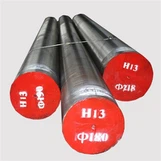
When it comes to choosing the right tool steel for your application, you need to consider the specific wear conditions. If you're dealing with a lot of abrasive wear, you might want to go for a tool steel with a high carbide content, like Tool Carbon Steel. If adhesive wear is the main concern, you'll need a steel that has good anti - sticking properties and can withstand high - pressure and high - temperature conditions.
As a tool steel supplier, I've seen firsthand how the right choice of tool steel can make a huge difference in the performance and lifespan of tools. We offer a wide range of tool steels, each with its own unique set of properties and wear - resistant characteristics. Whether you're a small - scale workshop or a large - scale manufacturing plant, we can help you find the perfect tool steel for your needs.
If you're interested in learning more about our tool steel products or have specific requirements for your application, don't hesitate to reach out. We're here to answer all your questions and guide you through the process of selecting the right tool steel. You can contact us to start a discussion about your procurement needs, and we'll work together to find the best solution for you.
In conclusion, wear resistance is a vital property of tool steel that can have a significant impact on the performance and cost - effectiveness of your tools. By understanding the factors that affect wear resistance and choosing the right tool steel for your application, you can ensure that your tools last longer and perform better. So, if you're in the market for tool steel, give us a shout, and let's get started on finding the perfect fit for your business.
References
- ASM Handbook Volume 1: Properties and Selection: Irons, Steels, and High - Performance Alloys. ASM International.
- Tool Steel: Selection and Application. Don R. Askeland, Wendelin J. Wright. Wiley.