As a supplier of 304 stainless steel pipes, I often encounter inquiries about the resistance of these pipes to chloride corrosion. Chloride corrosion is a significant concern in various industries, especially those exposed to environments containing chlorides, such as marine, chemical processing, and water treatment. In this blog, I will delve into the topic of the resistance of 304 stainless steel pipes to chloride corrosion, exploring the factors that influence it and how it compares to other materials.
Understanding 304 Stainless Steel
304 stainless steel is one of the most widely used grades of stainless steel in the world. It is an austenitic stainless steel that contains approximately 18% chromium and 8% nickel, along with small amounts of carbon, silicon, and manganese. The high chromium content provides excellent corrosion resistance by forming a passive oxide layer on the surface of the steel, which protects it from further oxidation and corrosion. The nickel content enhances the toughness and ductility of the steel, making it suitable for a wide range of applications.
Chloride Corrosion Mechanisms
Chloride corrosion is a complex process that involves the interaction of chloride ions with the passive oxide layer on the surface of stainless steel. Chloride ions can penetrate the passive layer and react with the underlying metal, causing localized corrosion in the form of pitting, crevice corrosion, and stress corrosion cracking.

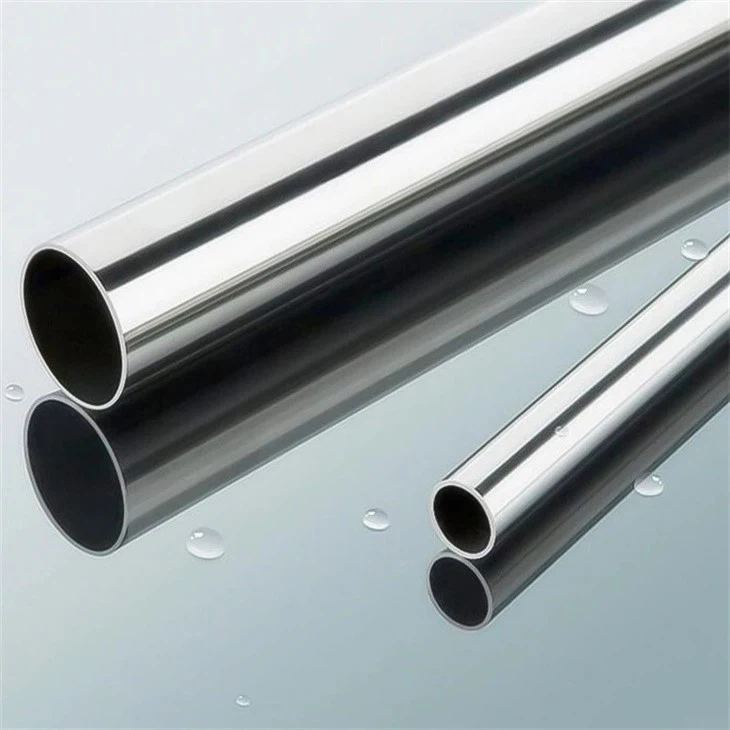
- Pitting Corrosion: Pitting corrosion occurs when chloride ions concentrate in small areas on the surface of the stainless steel, breaking down the passive layer and allowing the metal to corrode. Pits can form rapidly and penetrate deep into the metal, leading to structural failure.
- Crevice Corrosion: Crevice corrosion occurs in narrow gaps or crevices where chloride ions can accumulate and create a corrosive environment. This type of corrosion is common in joints, gaskets, and areas where the stainless steel is in contact with other materials.
- Stress Corrosion Cracking (SCC): Stress corrosion cracking is a combination of mechanical stress and corrosion that can cause cracks to form and propagate in the stainless steel. Chloride ions can accelerate the SCC process by promoting the breakdown of the passive layer and increasing the susceptibility of the metal to cracking.
Factors Affecting the Resistance of 304 Stainless Steel to Chloride Corrosion
The resistance of 304 stainless steel to chloride corrosion depends on several factors, including the chemical composition of the steel, the surface finish, the environmental conditions, and the presence of other alloying elements.
- Chemical Composition: The chromium and nickel content of 304 stainless steel plays a crucial role in its resistance to chloride corrosion. Higher chromium and nickel levels generally improve the corrosion resistance of the steel by forming a more stable passive layer. However, the presence of other elements, such as molybdenum, can also enhance the resistance to chloride corrosion.
- Surface Finish: The surface finish of the stainless steel can affect its resistance to chloride corrosion. A smooth, polished surface is less likely to trap chloride ions and is more resistant to pitting and crevice corrosion than a rough, textured surface.
- Environmental Conditions: The concentration of chloride ions, the temperature, the pH, and the presence of other contaminants in the environment can all affect the corrosion rate of 304 stainless steel. Higher chloride concentrations, elevated temperatures, and acidic or alkaline conditions can increase the susceptibility of the steel to corrosion.
- Alloying Elements: The addition of other alloying elements, such as molybdenum, can significantly improve the resistance of 304 stainless steel to chloride corrosion. Molybdenum enhances the stability of the passive layer and reduces the susceptibility of the steel to pitting and crevice corrosion.
Comparison with Other Stainless Steel Grades
While 304 stainless steel offers good resistance to chloride corrosion in many applications, there are other stainless steel grades that provide superior performance in more aggressive environments. For example, 316 stainless steel contains approximately 2-3% molybdenum, which significantly enhances its resistance to chloride corrosion compared to 304 stainless steel. A213 TP316 Stainless Steel Seamless Pipe is a popular choice for applications in marine, chemical processing, and food processing industries where high resistance to chloride corrosion is required.
Applications of 304 Stainless Steel Pipes
Despite its limitations in highly corrosive environments, 304 stainless steel pipes are widely used in a variety of applications due to their excellent combination of corrosion resistance, strength, and affordability. Some common applications of 304 stainless steel pipes include:
- Food and Beverage Industry: 304 stainless steel pipes are used in the food and beverage industry for transporting liquids, gases, and solids. The smooth, non-porous surface of the pipes makes them easy to clean and sanitize, ensuring the safety and quality of the products being transported.
- Chemical Processing Industry: 304 stainless steel pipes are used in the chemical processing industry for handling a wide range of chemicals, including acids, alkalis, and solvents. The corrosion resistance of the pipes makes them suitable for use in harsh chemical environments.
- Water Treatment Industry: 304 stainless steel pipes are used in the water treatment industry for transporting water, wastewater, and chemicals. The corrosion resistance of the pipes ensures the long-term reliability and performance of the water treatment systems.
- Construction Industry: 304 stainless steel pipes are used in the construction industry for structural and architectural applications. The strength and durability of the pipes make them suitable for use in buildings, bridges, and other infrastructure projects.
Tips for Preventing Chloride Corrosion in 304 Stainless Steel Pipes
To prevent chloride corrosion in 304 stainless steel pipes, it is important to take the following precautions:
- Select the Right Grade of Stainless Steel: Consider the environmental conditions and the specific requirements of the application when selecting the grade of stainless steel. In highly corrosive environments, it may be necessary to use a higher-grade stainless steel, such as 316 or 316L.
- Maintain a Clean Surface: Keep the surface of the stainless steel pipes clean and free from dirt, debris, and other contaminants. Regular cleaning and maintenance can help prevent the accumulation of chloride ions and reduce the risk of corrosion.
- Avoid Crevices and Gaps: Minimize the use of joints, gaskets, and other components that can create crevices or gaps where chloride ions can accumulate. Use proper sealing techniques and materials to prevent the ingress of chloride ions.
- Control the Environmental Conditions: Monitor and control the environmental conditions, such as the temperature, pH, and chloride concentration, to minimize the risk of corrosion. In some cases, it may be necessary to use corrosion inhibitors or other protective coatings to enhance the corrosion resistance of the pipes.
Conclusion
In conclusion, 304 stainless steel pipes offer good resistance to chloride corrosion in many applications, but their performance can be affected by several factors, including the chemical composition, surface finish, environmental conditions, and the presence of other alloying elements. By understanding the mechanisms of chloride corrosion and taking appropriate precautions, it is possible to prevent or minimize the risk of corrosion in 304 stainless steel pipes. If you are in the market for high-quality 304 stainless steel pipes, we invite you to explore our range of products, including 50mm OD Stainless Steel Pipe and Schedule 40 Stainless Steel Pipe 304. Our pipes are manufactured to the highest standards and are available in a variety of sizes and specifications to meet your specific requirements. Contact us today to discuss your needs and learn more about our products and services.
References
- ASM Handbook, Volume 13A: Corrosion: Fundamentals, Testing, and Protection, ASM International, 2003.
- Stainless Steel World Handbook, 2017 Edition, Elsevier, 2017.
- "Corrosion of Stainless Steels," by George S. Frankel, ASM International, 2011.