Hydrogen embrittlement is a critical issue in the application of stainless steel sheets, and understanding the hydrogen embrittlement susceptibility of 201 stainless steel sheet is of great significance for both manufacturers and end - users. As a supplier of 201 Stainless Steel Sheet, I have witnessed firsthand the importance of this topic in the industry.
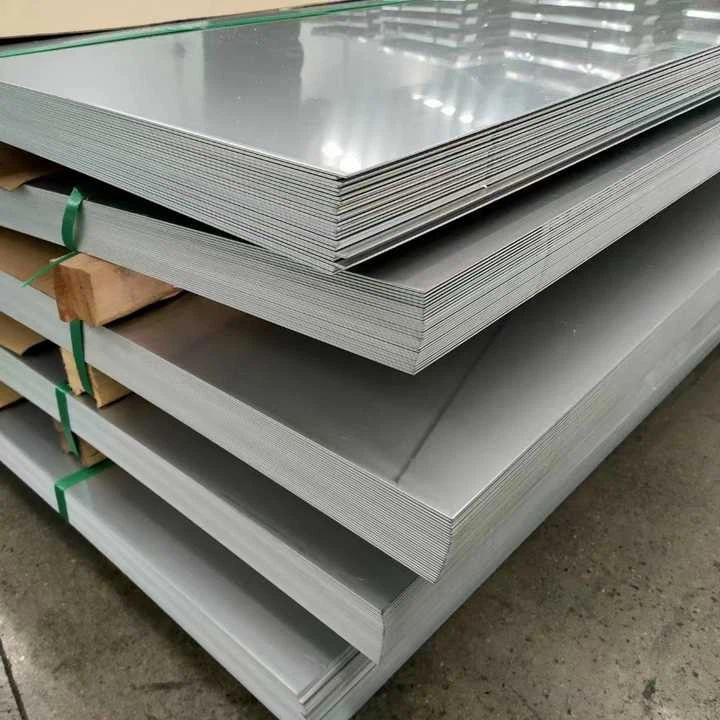

Introduction to 201 Stainless Steel Sheet
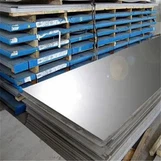
201 stainless steel sheet is a popular choice in many industries due to its relatively low cost and good corrosion resistance. It is a chromium - nickel - manganese austenitic stainless steel. The main alloying elements in 201 stainless steel include approximately 16 - 18% chromium, 3.5 - 5.5% nickel, and 5.5 - 7.5% manganese. These elements contribute to its overall properties, making it suitable for a wide range of applications such as architectural decoration, kitchenware, and automotive parts.
What is Hydrogen Embrittlement?
Hydrogen embrittlement is a phenomenon where the mechanical properties of a metal are degraded due to the presence of hydrogen. When hydrogen atoms enter the metal lattice, they can cause several effects. Firstly, hydrogen can diffuse through the lattice and accumulate at grain boundaries, dislocations, and other defects. This accumulation can lead to the weakening of the atomic bonds at these locations. As a result, the metal becomes more brittle and its ductility is significantly reduced. The metal is then more prone to cracking and failure under stress, even at relatively low stress levels compared to a non - hydrogen - charged state.
Factors Affecting the Hydrogen Embrittlement Susceptibility of 201 Stainless Steel Sheet
Alloy Composition
The composition of 201 stainless steel plays a crucial role in its hydrogen embrittlement susceptibility. Manganese, which is present in relatively high amounts in 201 stainless steel, can have a complex effect on hydrogen embrittlement. On one hand, manganese can form carbides, which may act as hydrogen traps. These traps can prevent hydrogen from diffusing freely through the lattice and reaching critical locations where it can cause embrittlement. On the other hand, if the carbide formation is not well - controlled, it can also create microstructural inhomogeneities that may promote hydrogen - induced cracking.
Nickel is another important element. Nickel has a positive effect on reducing the hydrogen embrittlement susceptibility of stainless steel. It helps to stabilize the austenitic structure, which has a lower solubility for hydrogen compared to other phases. In 201 stainless steel, the relatively lower nickel content compared to some other stainless steels (such as 304) may make it more susceptible to hydrogen embrittlement.
Microstructure
The microstructure of 201 stainless steel sheet also influences its hydrogen embrittlement behavior. A fine - grained microstructure generally has a higher resistance to hydrogen embrittlement. This is because the grain boundaries in a fine - grained structure can act as barriers to the diffusion of hydrogen. They can trap hydrogen atoms and prevent them from reaching the interior of the grains where they can cause more damage. In contrast, a coarse - grained microstructure allows for easier hydrogen diffusion and provides fewer barriers to crack propagation.
Surface Condition
The surface condition of the 201 stainless steel sheet is an important factor. A rough or damaged surface can provide sites for hydrogen entry. For example, scratches, pits, or weld defects on the surface can act as initiation points for hydrogen absorption. Once hydrogen enters the metal through these surface defects, it can quickly diffuse into the bulk of the material and cause embrittlement. Additionally, the presence of surface contaminants such as oxides or sulfides can also affect the hydrogen absorption process. Some contaminants may enhance hydrogen absorption, while others may act as a protective layer to reduce it.
Testing the Hydrogen Embrittlement Susceptibility of 201 Stainless Steel Sheet
Electrochemical Hydrogen Charging
One common method to test the hydrogen embrittlement susceptibility of 201 stainless steel sheet is electrochemical hydrogen charging. In this method, the stainless steel sheet is immersed in an electrolyte solution and a cathodic current is applied. This causes hydrogen ions in the solution to be reduced to hydrogen atoms, which then enter the metal. After a certain period of charging, the mechanical properties of the sheet, such as tensile strength and elongation, are measured. A significant reduction in these properties indicates a high susceptibility to hydrogen embrittlement.
Slow Strain Rate Testing
Slow strain rate testing is another important technique. In this test, a specimen of the 201 stainless steel sheet is slowly stretched at a very low strain rate while being in a hydrogen - containing environment. By monitoring the load - displacement curve during the test, any changes in the mechanical behavior due to hydrogen embrittlement can be detected. For example, a premature fracture or a decrease in the maximum load the specimen can withstand is a sign of hydrogen embrittlement.
Implications for Applications
The hydrogen embrittlement susceptibility of 201 stainless steel sheet has significant implications for its applications. In industries where the stainless steel is exposed to hydrogen - rich environments, such as in the chemical industry or in fuel cell applications, the risk of hydrogen embrittlement needs to be carefully considered. For example, in chemical plants where hydrogen is produced or used, 201 stainless steel pipes or vessels may be at risk of failure due to hydrogen embrittlement.
In the automotive industry, 201 stainless steel is used in various components. If these components are exposed to hydrogen (for example, in vehicles with fuel cell technology), hydrogen embrittlement can lead to safety issues. Therefore, proper material selection and design considerations are necessary to ensure the long - term reliability of the components.
Mitigation Strategies
To reduce the hydrogen embrittlement susceptibility of 201 stainless steel sheet, several strategies can be employed.
Heat Treatment
Heat treatment can modify the microstructure of the stainless steel and improve its resistance to hydrogen embrittlement. Annealing can relieve internal stresses and homogenize the microstructure, which can reduce the sites for hydrogen trapping and diffusion. Solution treatment followed by rapid quenching can also help to obtain a more stable austenitic structure with better hydrogen - resistance properties.
Coating
Applying a protective coating on the surface of the 201 stainless steel sheet can prevent hydrogen from entering the metal. Coatings such as epoxy coatings or ceramic coatings can act as a physical barrier between the metal and the hydrogen - containing environment. However, the coating needs to be well - adhered and free of defects to be effective.
Related Products in Our Catalog
In addition to 201 stainless steel sheet, we also offer a variety of other high - quality stainless steel products. You can check out our Duplex Stainless Steel Plate, which has excellent corrosion resistance and mechanical properties. Our 0.5 mm Thick Stainless Steel Sheet is suitable for applications where thin and lightweight materials are required. And if you are looking for a different grade, our 2mm Thick SUS Plate 304 is a great option with good formability and corrosion resistance.
Conclusion
Understanding the hydrogen embrittlement susceptibility of 201 stainless steel sheet is essential for ensuring its safe and reliable use in various applications. As a supplier, we are committed to providing high - quality 201 stainless steel sheets and offering technical support to our customers. By considering the factors affecting hydrogen embrittlement, conducting proper testing, and implementing mitigation strategies, we can help our customers make the best use of our products.
If you are interested in purchasing 201 stainless steel sheet or any of our other products, we encourage you to contact us for further details and to start a procurement negotiation. We look forward to working with you to meet your stainless steel needs.
References
- ASM Handbook Volume 13C: Corrosion: Environment - Assisted Cracking. ASM International.
- Luppo, D., & Ruggieri, C. (2019). Hydrogen embrittlement of stainless steels: A review. Materials Science and Engineering: A, 747, 23 - 35.
- ISO 17081:2014. Metallic materials — Determination of hydrogen content in steel by electrochemical techniques using an in - situ sensor.