As a trusted supplier of Band Saw Blade Steel Strip, I've witnessed firsthand the frustration that comes with a broken band saw blade. A broken blade not only halts production but also incurs additional costs for replacement and downtime. In this blog, I'll delve into the various factors that can cause a band saw blade steel strip to break, offering insights to help you prevent such issues and keep your operations running smoothly.
1. Material Quality
The quality of the steel strip used in the band saw blade is a fundamental factor. Inferior materials may contain impurities or have inconsistent properties, which can lead to premature failure. For instance, if the steel has a high level of inclusions or an improper grain structure, it can weaken the blade and make it more prone to cracking.
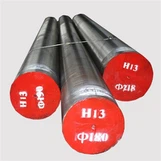
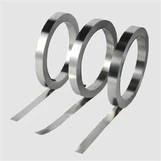
At our company, we offer high - quality materials such as 75Cr Alloy Steel Strip and 75Cr Band Saw Blade Steel Strip. These materials are carefully selected and undergo strict quality control processes to ensure they meet the highest standards. The 75Cr alloy provides excellent strength, toughness, and wear resistance, making it a popular choice for band saw blades. Another option is Medium and High Carbon Steel X32, which offers a good balance of hardness and ductility, suitable for a variety of cutting applications.


2. Incorrect Tension
Proper tension is crucial for the performance and longevity of a band saw blade. If the tension is too low, the blade may wander or vibrate during cutting, causing uneven wear and increasing the risk of breakage. On the other hand, excessive tension can put too much stress on the blade, leading to fatigue and eventual failure.
To determine the correct tension, you need to consider factors such as the blade width, thickness, and the type of material being cut. Most band saw manufacturers provide guidelines for proper tension settings. It's important to use a tension gauge to accurately measure and adjust the tension. Regularly checking and adjusting the tension during operation can help prevent premature blade breakage.
3. Improper Cutting Speed and Feed Rate
The cutting speed and feed rate are two important parameters that need to be carefully controlled. If the cutting speed is too high, the blade can overheat, which can cause the steel to lose its hardness and strength. This can lead to rapid wear and breakage. Conversely, if the cutting speed is too low, the blade may not be able to cut efficiently, resulting in excessive friction and stress on the blade.
Similarly, the feed rate should be appropriate for the material and the blade. A feed rate that is too fast can cause the blade to bind or overload, while a feed rate that is too slow can lead to dulling of the blade. You should refer to the blade manufacturer's recommendations for the optimal cutting speed and feed rate based on the material you are cutting.
4. Dull or Damaged Teeth
The teeth of a band saw blade are the cutting edges, and their condition directly affects the performance of the blade. Dull teeth require more force to cut, which can increase the stress on the blade and lead to breakage. Additionally, damaged teeth, such as chipped or missing teeth, can cause uneven cutting and vibration, which can also contribute to blade failure.
Regularly inspecting the teeth of the blade and sharpening or replacing the blade when necessary is essential. There are various methods for sharpening band saw blades, including using a file or a specialized sharpening machine. It's important to follow the correct sharpening procedure to ensure the teeth are sharpened evenly and at the correct angle.
5. Improper Guide and Bearing Alignment
The guides and bearings in a band saw play a crucial role in keeping the blade in the correct position during cutting. If the guides are misaligned or the bearings are worn out, the blade can run off - center or experience excessive vibration. This can cause uneven wear on the blade and increase the risk of breakage.
Regular maintenance of the guides and bearings is necessary. You should check the alignment of the guides periodically and adjust them as needed. Replacing worn - out bearings promptly can also help prevent blade breakage.
6. Contaminants and Foreign Objects
Contaminants such as dirt, debris, and coolant residues can accumulate on the blade and in the saw's components. These contaminants can interfere with the cutting process, cause increased friction, and damage the blade. Foreign objects, such as small pieces of metal or wood, can also get caught in the blade, leading to breakage.
Keeping the saw and the blade clean is important. Regularly cleaning the blade and the saw's components, and using proper coolant and lubrication can help reduce the risk of contamination. Installing a chip conveyor or a coolant filtration system can also help remove contaminants from the cutting area.
7. Material Being Cut
The type of material being cut can also have an impact on the lifespan of the band saw blade. Hard and abrasive materials, such as stainless steel, titanium, and hardened steel, are more difficult to cut and can cause more wear on the blade. These materials may require a blade with a special tooth geometry or a coating to improve its performance.
On the other hand, soft materials can sometimes cause problems as well. For example, materials that are gummy or sticky can clog the teeth of the blade, reducing its cutting efficiency and increasing the risk of breakage. You need to choose the right blade for the specific material you are cutting to ensure optimal performance and longevity.
8. Fatigue and Stress Concentration
Over time, repeated cutting operations can cause fatigue in the band saw blade. Fatigue occurs when the blade is subjected to cyclic loading, which can lead to the formation of cracks. Stress concentration points, such as holes, notches, or sharp corners in the blade, can accelerate the fatigue process.
Designing the blade with smooth curves and avoiding sharp transitions can help reduce stress concentration. Additionally, using proper heat treatment processes can improve the fatigue resistance of the blade. Regularly inspecting the blade for signs of fatigue, such as small cracks or deformation, and replacing the blade before it fails completely is important.
In conclusion, there are multiple factors that can cause a band saw blade steel strip to break. By understanding these factors and taking appropriate preventive measures, you can significantly extend the lifespan of your band saw blades and improve the efficiency of your cutting operations. If you have any questions about our band saw blade steel strips or need advice on choosing the right blade for your application, please feel free to contact us for a purchase negotiation. We are committed to providing you with high - quality products and professional technical support.
References
- "Handbook of Band Sawing Technology", Various authors, Published by a leading industry press.
- Manufacturer's technical manuals for band saws and band saw blades.
- Industry research papers on metal cutting and blade performance.