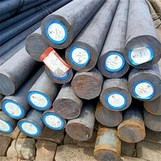
Hey there! As a tool steel supplier, I've been in the thick of the industry for quite some time, and one question that keeps popping up is, "What are the differences between domestic and imported tool steel?" Well, let's dive right in and break it down.
Quality and Consistency
First off, quality and consistency are major factors. Domestic tool steel often has the advantage of being produced closer to home, which means better oversight and potentially quicker response times if there are any issues. Local manufacturers are usually subject to strict domestic regulations, ensuring a certain level of quality control.
On the other hand, imported tool steel can vary widely in quality. Some countries are renowned for their high - end tool steel production, with advanced manufacturing techniques and a long - standing reputation for excellence. For example, tool steel from countries like Germany and Japan is often associated with top - notch quality and precision. However, there's also a risk of getting lower - quality products from regions with less stringent quality control measures.
When it comes to consistency, domestic suppliers can offer more reliable batch - to - batch consistency. Since they're more accessible, it's easier to communicate with them about specific requirements and get the same quality every time. Imported tool steel might have more variability, especially if you're dealing with different suppliers or production facilities in a foreign country.
Cost
Cost is always a big deal. Domestic tool steel can sometimes be more expensive due to higher labor costs, raw material prices, and regulatory fees in the home country. But, there are also cases where domestic suppliers can offer competitive prices, especially if they have efficient production processes or long - term relationships with raw material providers.
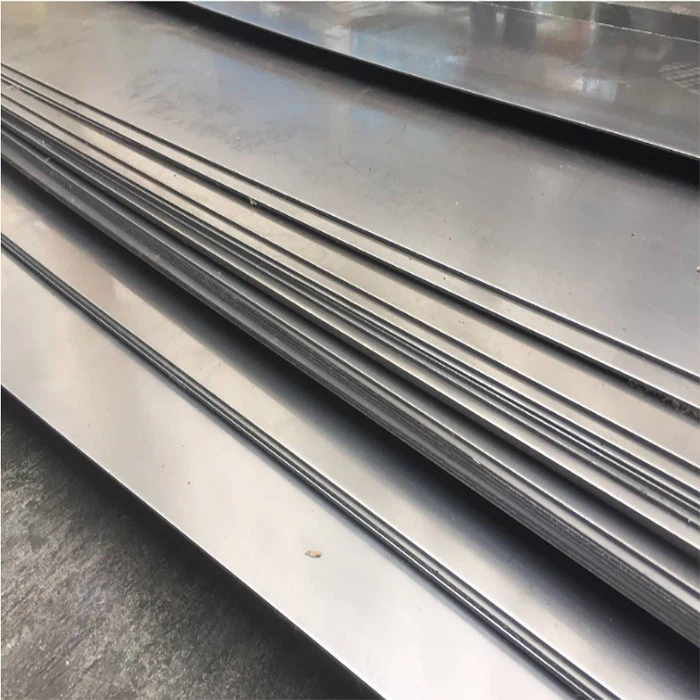
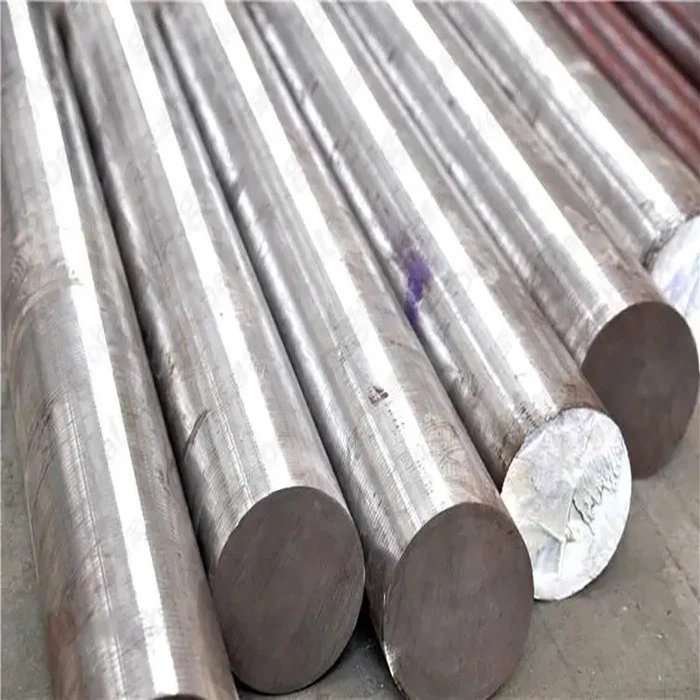
Imported tool steel often seems cheaper at first glance. This is mainly because some countries have lower labor and production costs. However, you need to factor in additional costs like shipping, customs duties, and potential currency exchange rate fluctuations. Sometimes, these extra expenses can eat into the initial savings, making the final cost comparable to or even higher than domestic tool steel.
Availability and Lead Times
Availability is another key difference. Domestic tool steel is generally more readily available. You can visit the supplier's facility, check the stock in person, and get the product faster. Local suppliers can also respond quickly to urgent orders, which is crucial for businesses with tight production schedules.
Imported tool steel, on the other hand, can have longer lead times. Shipping from overseas can take weeks or even months, depending on the distance and shipping method. There's also the risk of delays due to customs clearance, port congestion, or other unforeseen circumstances. If you're in a hurry to get your hands on tool steel, relying on imported products might not be the best idea.
Technical Support and Customization
When it comes to technical support, domestic suppliers have an edge. They're usually more accessible for face - to - face meetings, phone calls, or on - site visits. You can easily discuss your specific application requirements, get advice on the right type of tool steel, and have any technical questions answered promptly.
Imported suppliers might offer technical support, but there could be language barriers and time - zone differences that make communication more difficult. Customization can also be a challenge with imported tool steel. Domestic suppliers are often more willing and able to customize the product according to your specific needs, as they can quickly adjust their production processes. Imported suppliers might have more rigid production lines and be less flexible when it comes to custom orders.
Examples of Tool Steel Products
Let's take a look at some specific tool steel products. For instance, Carbon Tool Steel SK2 is a popular choice. Whether you're looking at domestic or imported versions, the basic properties of SK2 steel remain the same. It's a high - carbon steel known for its good hardness and wear resistance. But, the quality and performance can vary depending on the production source.
Another example is SK4 High Carbon Tool Blade Steel. This steel is often used for making blades and cutting tools. Domestic production might offer more consistent hardness and edge retention, while imported SK4 could have different heat - treatment processes that affect its performance.
SK2 Steel is also widely used in various industries. When comparing domestic and imported SK2, you'll notice differences in the microstructure and surface finish, which can impact its usability in different applications.
Which One Should You Choose?
So, which is better - domestic or imported tool steel? Well, it really depends on your specific needs. If you need high - quality, consistent products with quick turnaround times and excellent technical support, domestic tool steel might be the way to go. On the other hand, if cost is your main concern and you can afford to wait for the product, imported tool steel could be a viable option.
If you're still not sure, I'd be more than happy to help. I've got a wealth of experience in the tool steel industry and can guide you through the decision - making process. Whether you're looking for a specific type of tool steel or need advice on the best source for your project, just reach out.
Conclusion
In conclusion, there are significant differences between domestic and imported tool steel in terms of quality, cost, availability, and technical support. As a tool steel supplier, I understand that each customer has unique requirements, and I'm here to help you find the perfect solution. If you're interested in purchasing tool steel or have any questions, don't hesitate to contact me. Let's have a chat and see how we can work together to meet your tool steel needs.
References
- Various industry reports on tool steel production and trade.
- Personal experience and knowledge gained from working in the tool steel supply industry.