Hey there! As a supplier of band saw blade steel strips, I often get asked about using our steel strips on different types of saws. It's a great question, and I'm here to break down what modifications might be needed.
First off, let's talk about why someone might want to use a band saw blade steel strip on a different saw. Maybe you've got an old saw lying around and you want to give it a new lease on life, or perhaps you're looking for a more cost - effective or specialized cutting solution. Whatever the reason, using a band saw blade steel strip on a non - band saw can be a viable option, but it does come with some challenges.
Compatibility Checks
The first thing you need to do is check the compatibility of the steel strip with the new saw. The dimensions are crucial. Band saw blades have specific widths and thicknesses that are designed to fit the band saw's guides and wheels. If you're using it on a different saw, you'll need to ensure that the width of the steel strip is appropriate for the saw's blade slot or holder. For example, if the new saw has a narrow blade slot, a wide band saw blade steel strip won't fit. You might need to cut the steel strip to the right width.
The thickness of the strip also matters. Different saws are designed to handle different blade thicknesses. A saw that's used to a thin blade might struggle with a thick band saw blade steel strip, and vice versa. You may need to find a strip with the right thickness or have it ground down to match the requirements of the new saw.
Tension and Tracking
Band saws have a specific way of maintaining tension and tracking the blade. When you use a band saw blade steel strip on a different saw, you'll need to figure out how to manage these aspects. Tension is essential for a clean and efficient cut. If the tension is too low, the blade will wobble and may not cut straight. If it's too high, the blade could break.
Some saws have built - in tensioning mechanisms, but they might not be calibrated for a band saw blade steel strip. You may need to adjust the tensioning system or even add a custom tensioning device. Tracking is also important. Band saws use guides to keep the blade in place. On a different saw, you'll need to find a way to ensure that the steel strip tracks correctly. This could involve adding guide rollers or using a different type of blade guide system.
Tooth Design and Cutting Speed
Band saw blades come with different tooth designs depending on the material they're meant to cut. If you're using the steel strip on a different saw, you need to consider whether the tooth design is suitable for the new application. For example, a tooth design optimized for cutting wood might not work well when cutting metal. You may need to re - tooth the steel strip or choose a strip with a more appropriate tooth pattern.
The cutting speed is another factor. Band saws operate at specific speeds, and different saws have their own optimal cutting speeds. You'll need to adjust the speed of the new saw to match the capabilities of the band saw blade steel strip. Running the saw too fast can cause the teeth to wear out quickly, while running it too slow can result in a poor cut quality.
Modifications for Specific Saw Types
Circular Saws
Using a band saw blade steel strip on a circular saw is a bit of a challenge. Circular saws have a different blade geometry and rotation mechanism. You'll need to cut the steel strip into a circular shape. This can be tricky, as you need to ensure that the strip is evenly curved and that the teeth are properly aligned around the circle.
You'll also need to attach the circular steel strip to the circular saw's arbor. This may require a custom - made adapter or a modified blade holder. The tensioning and tracking on a circular saw are also very different from a band saw. You'll need to find a way to keep the circular strip in place and ensure that it rotates smoothly.
Jigsaws
Jigsaws are designed for more intricate cuts. When using a band saw blade steel strip on a jigsaw, you'll need to cut the strip to a length that fits the jigsaw's blade holder. The tooth design may need to be adjusted for the type of material you're cutting. Since jigsaws operate at a relatively high speed, you'll need to make sure that the steel strip can handle the speed without overheating or wearing out too quickly.
Types of Band Saw Blade Steel Strips
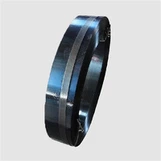
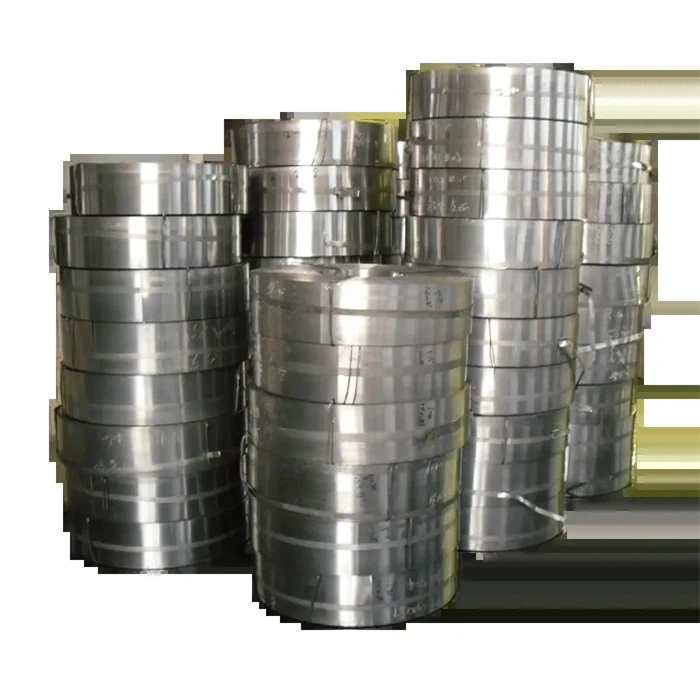
We offer a variety of band saw blade steel strips, each with its own properties. The X32 Carbon Steel Strip is known for its good balance of hardness and toughness. It's suitable for a wide range of cutting applications, including wood and some softer metals. If you're planning to use it on a different saw, it can be a versatile option, but you'll still need to make the necessary modifications as mentioned above.
The D6A High Carbon Steel Strip is a high - performance option. It has a higher carbon content, which gives it greater hardness and wear resistance. This strip is ideal for cutting harder materials, but it may be more brittle than other types. When using it on a different saw, you need to be extra careful with the tension and cutting speed to avoid breakage.
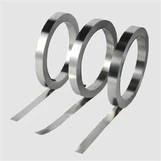
The 75Cr Alloy Steel Strip combines the benefits of alloying elements. It offers good strength, toughness, and corrosion resistance. It can be a great choice for both wood and metal cutting on a different saw, but again, proper modifications are required.
Safety Considerations
Using a band saw blade steel strip on a different saw comes with some safety risks. Since the saw may not be designed for this type of blade, there's a higher chance of the blade coming loose or breaking during operation. You should always wear appropriate safety gear, such as safety glasses, gloves, and a dust mask.

Make sure that the saw is properly secured and that all the modifications are stable. Test the saw at a low speed first to check for any issues before starting a full - scale cutting operation.
Conclusion
In conclusion, using a band saw blade steel strip on a different saw is possible, but it requires careful consideration and several modifications. You need to check the compatibility of the strip with the saw, manage tension and tracking, adjust the tooth design and cutting speed, and make specific modifications based on the type of saw.
If you're interested in trying out our band saw blade steel strips for your different saw applications, we're here to help. We can provide you with the right type of steel strip and offer advice on the modifications needed. Don't hesitate to reach out to us for more information and to start a procurement discussion. We're always happy to work with you to find the best solution for your cutting needs.
References
- "Metal Cutting Handbook", Industrial Press Inc.
- "Woodworking Machinery and Equipment", McGraw - Hill Education