As a seasoned supplier of 316 stainless steel plates, I understand the importance of proper packaging in ensuring the quality and integrity of our products during transportation and storage. In this blog post, I'll delve into the various aspects of the packaging of 316 stainless steel plates, sharing insights based on years of industry experience.
Why Packaging Matters
316 stainless steel plates are valuable products with specific properties that need to be preserved. They are corrosion - resistant, have high strength, and are used in a wide range of applications, from construction to manufacturing. During transit, these plates can be exposed to various hazards such as scratches, dents, and corrosion. Proper packaging serves as a protective shield, safeguarding the plates from these potential damages.
Types of Packaging Materials
- Plastic Film:
- One of the most common packaging materials for 316 stainless steel plates is plastic film. It acts as a barrier against moisture, dust, and minor scratches. The plastic film can be either transparent or colored, and it is usually wrapped tightly around the plates. Transparent film allows for easy visual inspection of the plates without removing the packaging, while colored film can provide additional UV protection in some cases.
- Paperboard:
- Paperboard is another widely used material. It is placed between the individual plates to prevent them from rubbing against each other during transportation. Paperboard also absorbs any minor moisture that might be present and provides a soft cushioning effect. It is a cost - effective and environmentally friendly option.
- Wooden Crates or Pallets:
- For larger quantities or heavier 316 stainless steel plates, wooden crates or pallets are essential. Wooden crates offer a high level of protection and stability. They can be custom - made to fit the size and quantity of the plates, ensuring that the plates are securely held in place. Pallets, on the other hand, are used for easy handling with forklifts. The plates are stacked on the pallets and then secured with straps or shrink - wrap to prevent movement during transit.
- Foam Padding:
- In some cases, especially for high - value or delicate 316 stainless steel plates, foam padding is used. Foam provides excellent shock absorption and can protect the plates from impacts. It can be cut to fit the shape of the plates and placed around the edges or between the layers for enhanced protection.
Packaging Processes
- Cleaning and Inspection:
- Before packaging, the 316 stainless steel plates are thoroughly cleaned to remove any dirt, oil, or debris. This not only ensures the aesthetic quality of the plates but also helps in preventing corrosion during storage. After cleaning, the plates are inspected for any surface defects. Only plates that meet the quality standards are selected for packaging.
- Wrapping with Plastic Film:
- The cleaned and inspected plates are then wrapped with plastic film. This can be done manually or using automated wrapping machines. The film is applied tightly to ensure a snug fit and to prevent air and moisture from getting in. In some cases, anti - static plastic film is used to prevent the attraction of dust particles.
- Inserting Paperboard:
- Once the plates are wrapped in plastic film, paperboard is inserted between the individual plates. This step is crucial as it reduces the risk of scratches and abrasions. The paperboard is carefully placed to cover the entire surface area of the plates.
- Stacking on Pallets or in Crates:
- If the plates are to be shipped on pallets, they are stacked in an orderly manner. The plates are arranged in a way that maximizes stability and minimizes the risk of shifting. Straps or shrink - wrap are then used to secure the stack to the pallet. For wooden crates, the plates are placed inside the crate, and the crate is closed and sealed. Foam padding may be added at this stage if required.
Special Considerations for Different Applications
- Marine Applications:
- 316 stainless steel plates used in marine applications require extra protection due to the harsh salt - water environment. In addition to the standard packaging materials, a special anti - corrosion coating may be applied to the plates before packaging. The plastic film used is often of a higher quality and has better moisture - resistant properties. The wooden crates or pallets are also treated to prevent rot and decay in the humid marine environment.
- Food and Beverage Industry:
- For plates used in the food and beverage industry, strict hygiene standards must be met. The packaging materials used are food - grade and free from any contaminants. The plastic film and paperboard are selected based on their ability to prevent the transfer of any harmful substances to the plates. The packaging process is carried out in a clean and controlled environment to ensure the safety of the plates for use in food - related applications.
Our Company's Approach to Packaging
At our company, we take packaging very seriously. We understand that the quality of our 316 stainless steel plates is not only determined by their material properties but also by how well they are protected during transit. We use high - quality packaging materials sourced from reliable suppliers. Our packaging processes are regularly reviewed and updated to ensure the best possible protection for our products.

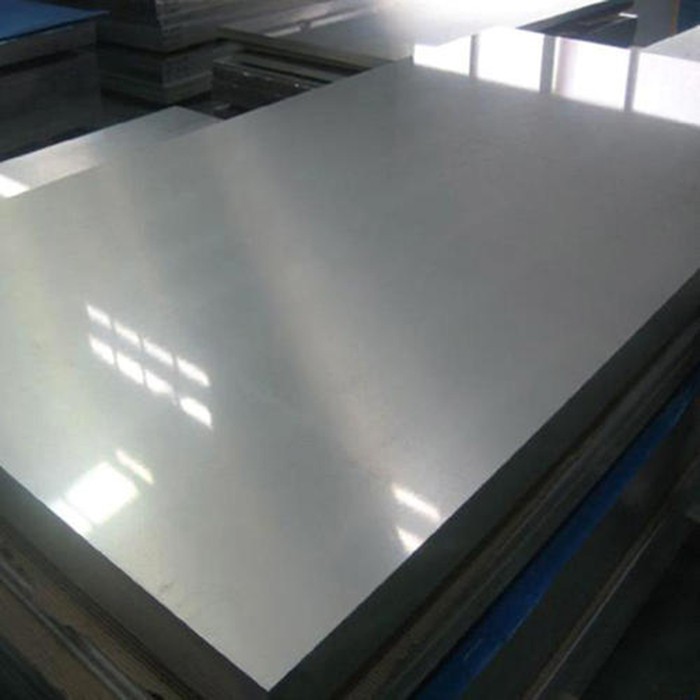
We also offer customized packaging solutions based on the specific requirements of our customers. Whether it's a small order for a local project or a large - scale international shipment, we can tailor the packaging to meet the needs. For example, if a customer requires additional protection for a long - distance shipment, we can add extra layers of foam padding or use more robust wooden crates.
Related Products
In addition to our 316 stainless steel plates, we also offer a range of other stainless steel products. You can check out our Stainless Steel Plate Hot - Rolled 201, which is a popular choice for various industrial applications. Our 8K Stainless Steel Sheet is known for its high - gloss finish and is widely used in decorative applications. And for those who need plates that meet ASTM 201 standards, our SS Stainless Steel Sheet ASTM 201 is a great option.
Conclusion
Proper packaging of 316 stainless steel plates is a multi - faceted process that involves the selection of appropriate materials and the implementation of effective packaging processes. It is essential for protecting the plates from damage, ensuring their quality during transit and storage, and meeting the specific requirements of different applications.
If you are in the market for high - quality 316 stainless steel plates or any of our other stainless steel products, we invite you to contact us for a detailed discussion. Our team of experts is ready to assist you with your procurement needs and to provide you with the best packaging solutions for your orders.
References
- Stainless Steel Handbook, ASM International
- Packaging Technology for Metals, Wiley - Blackwell