When it comes to the use of saw blade steel, one often overlooked aspect is the noise level generated during its operation. As a leading supplier of saw blade steel, I have witnessed firsthand the importance of understanding and managing this noise. In this blog, I will delve into the factors that influence the noise level when using saw blade steel, the implications of high noise, and some strategies to mitigate it.
Factors Influencing Noise Level
Blade Design and Geometry
The design and geometry of the saw blade play a crucial role in determining the noise level. A blade with a poorly designed tooth pattern can cause uneven cutting, leading to increased vibration and noise. For example, blades with large, widely spaced teeth may produce more noise compared to those with smaller, closely spaced teeth. Additionally, the rake angle, clearance angle, and gullet depth of the teeth can all affect the cutting efficiency and noise generation. A blade with an improper rake angle may result in excessive friction, which in turn generates more noise.
Material Being Cut
The type of material being cut also has a significant impact on the noise level. Harder materials such as metals and hardwoods generally require more force to cut, which can lead to increased vibration and noise. Soft materials like plastics and foams, on the other hand, tend to produce less noise. The density and grain structure of the material can also affect the cutting process and noise generation. A material with a coarse grain structure may cause the saw blade to bounce and vibrate more, resulting in louder noise.
Cutting Speed and Feed Rate
The cutting speed and feed rate are two important parameters that can influence the noise level. A high cutting speed can cause the saw blade to generate more heat and vibration, leading to increased noise. Similarly, a high feed rate can put more stress on the blade, causing it to vibrate and produce more noise. Finding the right balance between cutting speed and feed rate is essential to minimize noise while maintaining efficient cutting performance.
Machine Condition and Maintenance
The condition of the cutting machine and its maintenance also play a role in the noise level. A machine that is not properly aligned or has worn-out components can cause the saw blade to vibrate excessively, resulting in louder noise. Regular maintenance, including cleaning, lubrication, and alignment checks, can help reduce vibration and noise. Additionally, using high-quality machine components and accessories can also contribute to a quieter cutting operation.
Implications of High Noise
Health Risks
Exposure to high noise levels can have serious health implications for workers. Prolonged exposure to noise above 85 decibels (dB) can cause hearing loss, tinnitus (ringing in the ears), and other auditory problems. In addition to hearing damage, high noise can also cause stress, fatigue, and reduced concentration, which can affect work performance and safety.
Environmental Impact
High noise levels can also have a negative impact on the environment. Noise pollution can disrupt wildlife habitats, interfere with communication between animals, and cause annoyance to nearby residents. In industrial settings, excessive noise can violate local noise regulations and result in fines and legal issues.
Productivity and Quality
High noise levels can also affect productivity and product quality. Workers who are exposed to loud noise may experience reduced concentration and increased fatigue, which can lead to errors and accidents. Additionally, excessive vibration and noise can cause the saw blade to wear out more quickly, resulting in reduced cutting performance and shorter blade life.
Strategies to Mitigate Noise
Blade Selection
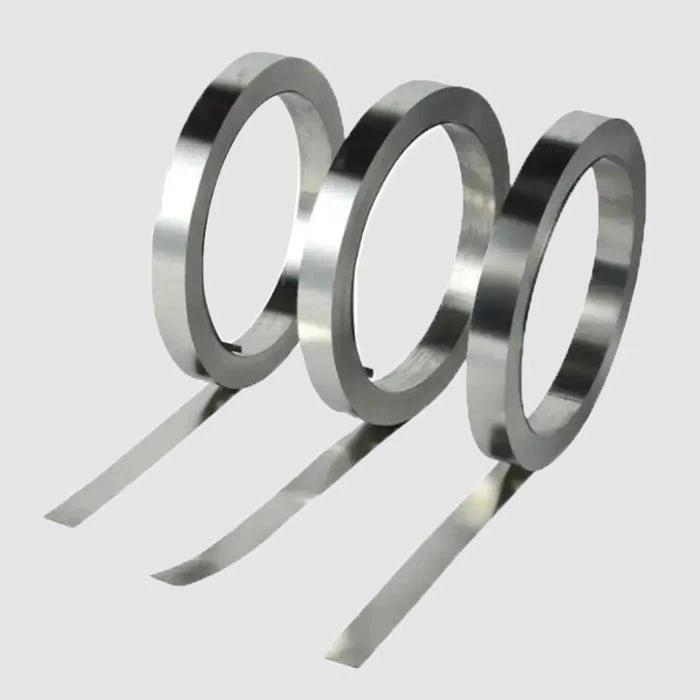
Choosing the right saw blade for the job is essential to minimize noise. Look for blades that are specifically designed for quiet operation, with features such as anti-vibration technology and noise-reducing tooth patterns. High Carbon Steel Saw Blade and Chain Saw Steel are two types of saw blades that are known for their durability and quiet operation.

Machine Modifications
Modifying the cutting machine can also help reduce noise. Installing vibration dampeners, anti-vibration mounts, and noise insulation materials can help absorb and reduce the vibration and noise generated by the machine. Additionally, using a variable speed drive can allow you to adjust the cutting speed and feed rate to optimize performance and minimize noise.
Work Environment
Creating a quiet work environment can also help reduce noise exposure. Using soundproofing materials such as acoustic panels and curtains can help absorb and reduce the noise in the workplace. Additionally, providing workers with personal protective equipment (PPE) such as earplugs and earmuffs can help protect their hearing.
Training and Education
Training and educating workers on the importance of noise control and proper cutting techniques can also help reduce noise levels. Workers should be trained to use the saw blade and cutting machine correctly, including adjusting the cutting speed and feed rate, and maintaining proper blade alignment. Additionally, workers should be aware of the health risks associated with high noise exposure and the importance of using PPE.
Conclusion
In conclusion, understanding the noise level when using saw blade steel is essential for ensuring the health and safety of workers, minimizing environmental impact, and maintaining efficient cutting performance. By considering the factors that influence noise level, implementing strategies to mitigate noise, and providing workers with the necessary training and equipment, we can create a quieter and more productive work environment.
If you are interested in learning more about our Saw Blade Steel products or have any questions about noise control in cutting operations, please feel free to contact us. We are committed to providing our customers with high-quality saw blade steel products and expert advice on cutting solutions.
References
- "Noise Control in Industrial Settings." Occupational Safety and Health Administration (OSHA).
- "The Effects of Noise on Human Health." World Health Organization (WHO).
- "Saw Blade Selection Guide." Machinery's Handbook.