Hey there! As a supplier of Cold Rolled Steel Strip, I often get asked about its hardness. So, let's dive right into it and explore what the hardness of Cold Rolled Steel Strip really means.
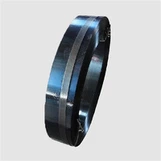
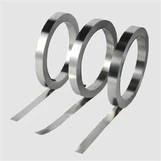
First off, what is Cold Rolled Steel Strip? Cold Rolled Steel Strip is a type of steel that has been processed through a cold rolling mill. This process involves passing the steel through rollers at room temperature, which helps to improve its surface finish, dimensional accuracy, and mechanical properties. Cold Rolled Steel Strip is widely used in various industries, including automotive, construction, and manufacturing, due to its excellent strength and durability. You can learn more about it Cold Rolled Steel Strip.
Now, let's talk about hardness. Hardness is a measure of a material's resistance to indentation, scratching, or abrasion. In the case of Cold Rolled Steel Strip, hardness plays a crucial role in determining its performance and suitability for different applications. There are several factors that can affect the hardness of Cold Rolled Steel Strip, including the chemical composition of the steel, the rolling process, and the heat treatment.
The chemical composition of the steel is one of the most important factors that influence its hardness. Different alloying elements, such as carbon, manganese, chromium, and nickel, can be added to the steel to enhance its hardness and other mechanical properties. For example, steel with a higher carbon content tends to be harder and stronger, but it may also be more brittle. On the other hand, alloying elements like chromium and nickel can improve the steel's corrosion resistance and toughness.
The rolling process also has a significant impact on the hardness of Cold Rolled Steel Strip. During the cold rolling process, the steel is subjected to high pressure and deformation, which can cause the grains in the steel to become smaller and more tightly packed. This results in an increase in the hardness and strength of the steel. The degree of cold rolling, or the reduction in thickness of the steel, can also affect its hardness. Generally, a higher degree of cold rolling will result in a harder and stronger steel.
Heat treatment is another important factor that can be used to control the hardness of Cold Rolled Steel Strip. Heat treatment involves heating the steel to a specific temperature and then cooling it at a controlled rate. This process can be used to change the microstructure of the steel and improve its hardness, strength, and toughness. There are several different types of heat treatment processes, including annealing, quenching, and tempering, each of which has its own unique effects on the hardness of the steel.
One common way to measure the hardness of Cold Rolled Steel Strip is by using the Rockwell hardness test. This test involves applying a specific load to a diamond or steel ball indenter and measuring the depth of the indentation. The hardness value is then determined based on the depth of the indentation and the type of indenter used. Another commonly used hardness test is the Brinell hardness test, which involves applying a large load to a hard steel ball indenter and measuring the diameter of the indentation.
The hardness of Cold Rolled Steel Strip can vary depending on its intended application. For example, in applications where high strength and wear resistance are required, such as in the manufacturing of saw blades or cutting tools, a harder steel with a Rockwell hardness of around 60-65 HRC may be used. On the other hand, in applications where formability and ductility are more important, such as in the automotive industry, a softer steel with a Rockwell hardness of around 20-30 HRC may be preferred.
In addition to its hardness, Cold Rolled Steel Strip also offers several other advantages. It has a smooth and uniform surface finish, which makes it ideal for applications where appearance is important. It also has excellent dimensional accuracy, which allows for precise machining and fabrication. Furthermore, Cold Rolled Steel Strip is relatively easy to weld and can be used in a wide range of welding processes.
If you're in the market for Cold Rolled Steel Strip, it's important to choose a reliable supplier who can provide you with high-quality products that meet your specific requirements. At our company, we have years of experience in supplying Cold Rolled Steel Strip to various industries. We offer a wide range of Cold Rolled Steel Strip products, including Chain Saw Steel and SAE8660 Nickel Chrome Molybdenum Alloy Steel, which are known for their excellent hardness, strength, and durability.

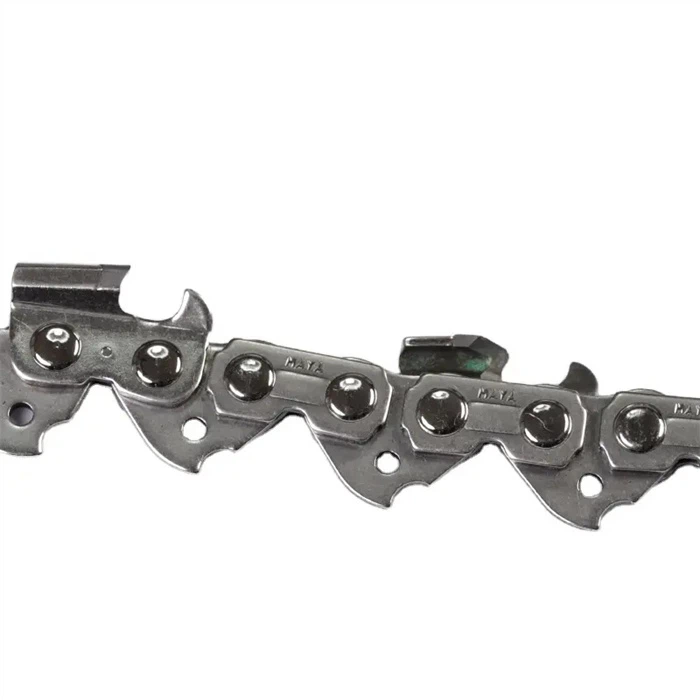
We understand that every customer has unique needs and requirements, and we're committed to providing customized solutions to meet those needs. Our team of experts can work with you to determine the best type of Cold Rolled Steel Strip for your application and provide you with the technical support and guidance you need to ensure its successful use.
So, if you're interested in learning more about the hardness of Cold Rolled Steel Strip or if you're looking for a reliable supplier of Cold Rolled Steel Strip, please don't hesitate to contact us. We'd be happy to discuss your requirements and provide you with a quote. Let's work together to find the perfect Cold Rolled Steel Strip solution for your business!
References:
- ASM Handbook Volume 1: Properties and Selection: Irons, Steels, and High-Performance Alloys
- Metals Handbook Desk Edition, Third Edition