What is the corrosion rate of 304 stainless steel plate in saltwater?
As a supplier of 304 Stainless Steel Plates, I've encountered numerous inquiries regarding the performance of these plates in saltwater environments. The corrosion rate of 304 stainless steel in saltwater is a crucial concern for many industries, including marine, coastal construction, and offshore applications. In this blog, I'll delve into the factors influencing the corrosion rate of 304 stainless steel plates in saltwater and provide insights to help you make informed decisions.
Understanding 304 Stainless Steel
304 stainless steel is one of the most widely used grades of stainless steel due to its excellent corrosion resistance, formability, and weldability. It contains approximately 18% chromium and 8% nickel, which form a passive oxide layer on the surface of the steel. This oxide layer acts as a protective barrier, preventing the underlying metal from reacting with the surrounding environment and thus providing corrosion resistance.


However, the performance of 304 stainless steel in saltwater is more complex. Saltwater, which contains high concentrations of chloride ions, can disrupt the passive oxide layer and initiate corrosion. Chloride ions are aggressive and can penetrate the oxide layer, leading to localized corrosion such as pitting and crevice corrosion.
Factors Affecting the Corrosion Rate
Several factors influence the corrosion rate of 304 stainless steel plates in saltwater. These include:
Chloride Concentration
The concentration of chloride ions in saltwater is a primary factor affecting the corrosion rate. Higher chloride concentrations increase the likelihood of pitting and crevice corrosion. In general, the corrosion rate of 304 stainless steel increases with increasing chloride concentration. For example, in areas with high salinity, such as the Dead Sea or certain coastal regions with high evaporation rates, the corrosion rate can be significantly higher compared to areas with lower salinity.
Temperature
Temperature also plays a crucial role in the corrosion process. Higher temperatures accelerate the chemical reactions involved in corrosion, increasing the corrosion rate. Additionally, temperature can affect the solubility of oxygen in water. As temperature increases, the solubility of oxygen decreases, which can influence the formation and stability of the passive oxide layer. In warm saltwater environments, the corrosion rate of 304 stainless steel is typically higher than in cold saltwater.
Oxygen Availability
Oxygen is necessary for the formation and maintenance of the passive oxide layer on 304 stainless steel. In saltwater, the availability of oxygen can vary depending on factors such as water movement, depth, and biological activity. Well - aerated saltwater provides more oxygen, which can help maintain the passive layer and reduce the corrosion rate. However, in stagnant or poorly aerated areas, such as crevices or under deposits, the lack of oxygen can lead to anaerobic corrosion, which can be more severe.
Flow Rate
The flow rate of saltwater affects the corrosion rate by influencing the supply of oxygen and the removal of corrosion products. A higher flow rate can help remove corrosion products from the surface of the steel, preventing their accumulation and reducing the likelihood of localized corrosion. However, if the flow rate is too high, it can cause erosion - corrosion, where the mechanical action of the flowing water wears away the passive layer and exposes the underlying metal to corrosion.
Measuring the Corrosion Rate
The corrosion rate of 304 stainless steel plates in saltwater can be measured using various methods. One common method is the weight loss method, where samples of the steel are exposed to saltwater for a specific period, and the weight loss is measured before and after exposure. The corrosion rate is then calculated based on the weight loss, the surface area of the sample, and the exposure time.
Another method is electrochemical testing, which measures the electrical properties of the steel in saltwater. Electrochemical techniques, such as potentiodynamic polarization and electrochemical impedance spectroscopy, can provide information about the corrosion mechanism, the corrosion potential, and the corrosion rate.
Practical Applications and Mitigation Strategies
Despite its susceptibility to corrosion in saltwater, 304 stainless steel plates are still used in many saltwater applications. In some cases, the corrosion rate may be acceptable for short - term or low - stress applications. However, for long - term or high - stress applications, additional measures may be required to mitigate corrosion.
One common mitigation strategy is the use of coatings. Coatings can provide a physical barrier between the steel and the saltwater, preventing chloride ions from reaching the surface of the steel. Epoxy coatings, polyurethane coatings, and zinc - rich primers are commonly used to protect 304 stainless steel plates in saltwater environments.
Another strategy is the use of cathodic protection. Cathodic protection involves connecting the 304 stainless steel plate to a sacrificial anode or an impressed current system. The sacrificial anode, typically made of a more reactive metal such as zinc or magnesium, corrodes preferentially, protecting the stainless steel from corrosion.
In addition to these strategies, proper design and maintenance are also important. Avoiding crevices, ensuring proper drainage, and regular inspection and cleaning can help reduce the corrosion rate of 304 stainless steel plates in saltwater.
Our Product Offerings
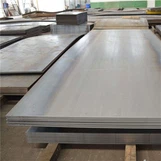
As a supplier of 304 Stainless Steel Plates, we offer high - quality products that meet the industry standards. Our 304 stainless steel plates are carefully manufactured to ensure excellent corrosion resistance and mechanical properties. If you are looking for other types of stainless steel plates, we also provide Chequered Stainless Steel 201 Plate and TP 201 Stainless Steel Plate, which have their own unique characteristics and applications. For more information about our 304 304L Stainless Steel Plate, please visit 304 304L Stainless Steel Plate.
Conclusion
The corrosion rate of 304 stainless steel plates in saltwater is influenced by several factors, including chloride concentration, temperature, oxygen availability, and flow rate. While 304 stainless steel has some corrosion resistance, it is susceptible to pitting and crevice corrosion in saltwater environments. By understanding these factors and implementing appropriate mitigation strategies, the corrosion rate can be effectively controlled.
If you are considering using 304 stainless steel plates in saltwater applications, it is important to carefully evaluate your specific requirements and consult with experts. We are here to provide you with the necessary information and support to ensure that you choose the right product for your needs. Whether you have questions about corrosion rates, product specifications, or application recommendations, please feel free to contact us for procurement and further discussions.
References
- Uhlig, H. H., & Revie, R. W. (1985). Corrosion and Corrosion Control: An Introduction to Corrosion Science and Engineering. John Wiley & Sons.
- Fontana, M. G. (1986). Corrosion Engineering. McGraw - Hill.
- ASTM G1 - 03(2017). Standard Practice for Preparing, Cleaning, and Evaluating Corrosion Test Specimens.