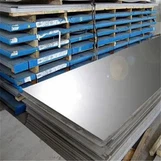
As a seasoned supplier of stainless steel sheets, I've witnessed firsthand the diverse needs and preferences of customers when it comes to selecting the right material for their projects. Among the various types of stainless steel sheets available in the market, 201 and 304 stainless steel sheets are two of the most commonly used options. In this blog post, I'll delve into the key differences between these two types of stainless steel sheets, helping you make an informed decision for your next project.
Chemical Composition
The chemical composition of stainless steel plays a crucial role in determining its properties and performance. Both 201 and 304 stainless steel sheets belong to the austenitic stainless steel family, which is known for its excellent corrosion resistance and formability. However, they differ significantly in their chemical makeup.
- 201 Stainless Steel Sheet: 201 stainless steel typically contains around 16 - 18% chromium, 3.5 - 5.5% nickel, and a relatively high amount of manganese (usually around 5.5 - 7.5%). The lower nickel content in 201 stainless steel makes it a more cost - effective option compared to 304. However, the high manganese content can have an impact on its corrosion resistance in certain environments.
- 304 Stainless Steel Sheet: 304 stainless steel is composed of approximately 18 - 20% chromium and 8 - 10.5% nickel. The higher nickel content in 304 stainless steel enhances its corrosion resistance, making it suitable for a wider range of applications, especially those where exposure to moisture, chemicals, or harsh environments is expected.
Corrosion Resistance
One of the most important factors to consider when choosing a stainless steel sheet is its corrosion resistance. The difference in chemical composition between 201 and 304 stainless steel sheets leads to a significant disparity in their ability to withstand corrosion.
- 201 Stainless Steel Sheet: Due to its lower nickel content, 201 stainless steel has relatively poor corrosion resistance compared to 304. It is more susceptible to rust and corrosion, especially in environments with high humidity, saltwater, or acidic substances. For example, in coastal areas where the air contains a high concentration of salt, 201 stainless steel may start to show signs of corrosion over time.
- 304 Stainless Steel Sheet: The higher nickel and chromium content in 304 stainless steel provides it with excellent corrosion resistance. It can withstand a variety of corrosive environments, including exposure to mild acids, alkalis, and chloride solutions. This makes 304 stainless steel a popular choice for applications such as kitchen appliances, food processing equipment, and outdoor architectural structures. If you are looking for a high - quality option with superior corrosion resistance, you can check out our A240 304 Steel Plate.
Mechanical Properties
The mechanical properties of stainless steel sheets, such as strength, ductility, and hardness, also vary between 201 and 304 stainless steel.
- Strength: 201 stainless steel generally has a slightly higher yield strength compared to 304. This means that it can withstand a greater amount of stress before it starts to deform permanently. However, this also makes 201 stainless steel less ductile than 304.
- Ductility: 304 stainless steel is more ductile than 201, which means it can be easily formed and shaped into various geometries without cracking or breaking. This makes 304 stainless steel a better choice for applications that require extensive forming, such as deep drawing or bending.
- Hardness: 201 stainless steel is typically harder than 304. While this can be an advantage in some applications where wear resistance is important, it can also make 201 stainless steel more difficult to machine.
Weldability
Weldability is another important consideration, especially for applications that involve joining stainless steel sheets together.
- 201 Stainless Steel Sheet: Welding 201 stainless steel can be more challenging due to its high manganese content. During the welding process, manganese can react with oxygen and form oxides, which can lead to porosity and cracking in the weld. Special welding techniques and filler materials may be required to achieve good weld quality.
- 304 Stainless Steel Sheet: 304 stainless steel has excellent weldability. It can be welded using a variety of methods, including TIG (Tungsten Inert Gas) welding, MIG (Metal Inert Gas) welding, and stick welding. The resulting welds are strong and have good corrosion resistance, making 304 stainless steel a preferred choice for welded structures.
Cost
Cost is often a deciding factor for many customers when choosing between 201 and 304 stainless steel sheets.
- 201 Stainless Steel Sheet: As mentioned earlier, 201 stainless steel has a lower nickel content, which makes it less expensive than 304. This makes 201 stainless steel an attractive option for applications where cost is a major concern and the corrosion resistance requirements are not extremely high.
- 304 Stainless Steel Sheet: The higher nickel and chromium content in 304 stainless steel makes it more expensive than 201. However, the superior corrosion resistance, better mechanical properties, and weldability of 304 stainless steel often justify the higher cost, especially for long - term applications where durability is crucial.
Applications
The differences in properties between 201 and 304 stainless steel sheets make them suitable for different applications.
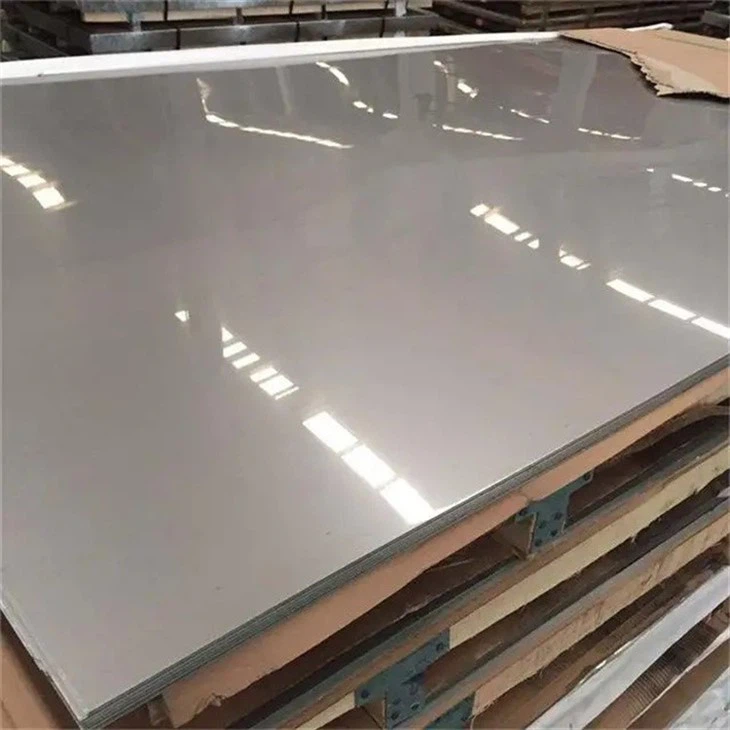

- 201 Stainless Steel Sheet: Due to its lower cost and relatively good strength, 201 stainless steel is commonly used in applications where corrosion resistance is not the primary concern. Some common applications include interior decoration, automotive trim, and general - purpose manufacturing.
- 304 Stainless Steel Sheet: 304 stainless steel's excellent corrosion resistance and formability make it a versatile material for a wide range of applications. It is widely used in the food and beverage industry, medical equipment manufacturing, architecture, and marine applications. For example, our 316 Stainless Steel Sheet 2b Finish 4X8 and SUS 316 Hairline Stainless Steel Sheet are popular choices for high - end applications that require both aesthetics and durability.
Conclusion
In summary, 201 and 304 stainless steel sheets have distinct differences in chemical composition, corrosion resistance, mechanical properties, weldability, cost, and applications. When choosing between these two types of stainless steel sheets, it's important to consider the specific requirements of your project, including the environment in which the material will be used, the desired mechanical properties, and your budget.
As a stainless steel sheet supplier, we understand the importance of providing high - quality products that meet our customers' needs. Whether you're looking for a cost - effective solution with 201 stainless steel or a high - performance option with 304 stainless steel, we have the expertise and inventory to assist you. If you have any questions or would like to discuss your project requirements, please don't hesitate to contact us. We're here to help you make the right choice and ensure the success of your project.
References
- ASM Handbook Committee. (2004). ASM Handbook Volume 13A: Corrosion: Fundamentals, Testing, and Protection. ASM International.
- Callister, W. D., & Rethwisch, D. G. (2017). Materials Science and Engineering: An Introduction. Wiley.