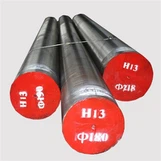
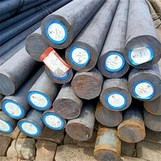
Welding Carbon Tool Steel SK2 can be a bit of a challenge, but with the right know - how, it can be done effectively. As a Carbon Tool Steel SK2 supplier, I've seen many customers struggle with the welding process, so I'm here to share some tips and tricks to help you get it right.
Understanding Carbon Tool Steel SK2
First things first, let's talk about what Carbon Tool Steel SK2 is. SK2 is a high - carbon tool steel that's known for its excellent hardness and wear resistance. It's commonly used in the manufacturing of cutting tools, dies, and springs. The high carbon content gives it the strength it needs for these applications, but it also makes it a bit tricky to weld.
If you want to learn more about tool carbon steels in general, you can check out this Tool Carbon Steel page. It provides a great overview of different types of tool carbon steels and their properties.
Pre - Welding Preparations
Cleaning the Material
Before you start welding, it's crucial to clean the SK2 steel thoroughly. Any dirt, grease, or rust on the surface can cause defects in the weld. You can use a wire brush or a solvent to clean the area. Make sure to remove all contaminants to ensure a clean weld.
Pre - heating
SK2 steel has a high carbon content, which means it's prone to cracking during welding. Pre - heating the material can help reduce the risk of cracking. The pre - heating temperature usually ranges from 200°C to 300°C. You can use a torch or an induction heater for pre - heating. Make sure to heat the material evenly to avoid thermal stress.
Choosing the Right Welding Process
There are several welding processes you can use for SK2 steel, but some are more suitable than others.
TIG Welding
Tungsten Inert Gas (TIG) welding is a popular choice for welding SK2 steel. It allows for precise control of the weld pool and produces high - quality welds. TIG welding uses a non - consumable tungsten electrode and an inert gas (usually argon) to protect the weld from oxidation. This process is ideal for thin - walled SK2 components or when you need a clean and precise weld.
MIG Welding
Metal Inert Gas (MIG) welding is another option. It's faster than TIG welding and can be used for thicker SK2 parts. MIG welding uses a consumable wire electrode and an inert gas to create the weld. However, it may require more skill to control the weld pool compared to TIG welding.
Selecting the Right Filler Metal
The choice of filler metal is crucial for a successful weld. You need to select a filler metal that has similar properties to SK2 steel. A filler metal with a high carbon content can help maintain the hardness and strength of the weld.
Some common filler metals for SK2 steel include high - carbon steel wires or rods. Make sure to choose a filler metal that is compatible with the welding process you're using.
Welding Techniques
Welding Speed
Maintaining the right welding speed is important. If you weld too fast, the weld may not penetrate properly, and if you weld too slow, it can cause over - heating and distortion. You need to find a balance based on the thickness of the SK2 steel and the welding process.
Weld Bead Placement
When making the weld, pay attention to the placement of the weld bead. Make sure the weld bead covers the joint evenly and that there are no gaps or overlaps. A well - placed weld bead will ensure a strong and reliable weld.
Post - Welding Treatment
Annealing
After welding, it's recommended to anneal the SK2 steel. Annealing helps relieve the internal stress in the weld and restores the material's ductility. The annealing process involves heating the welded part to a specific temperature (usually around 600°C to 700°C) and then cooling it slowly.
Quenching and Tempering
Depending on the application, you may also need to quench and temper the welded part. Quenching involves cooling the part rapidly in a quenching medium (such as oil or water) to increase its hardness. Tempering is then done to reduce the brittleness caused by quenching.
Comparing with Other Carbon Tool Steels
SK2 is not the only carbon tool steel out there. For example, SK85 Steel and SK4 Carbon Tool Steel are also popular choices.
SK85 steel has a slightly different chemical composition compared to SK2. It has a higher carbon content in some cases, which gives it even greater hardness. However, this also makes it more difficult to weld.
SK4 carbon tool steel is another option. It has a lower carbon content than SK2, which makes it a bit easier to weld. But it may not have the same level of hardness and wear resistance as SK2.


Troubleshooting Common Welding Problems
Cracking
Cracking is one of the most common problems when welding SK2 steel. As mentioned earlier, pre - heating and post - welding treatment can help reduce the risk of cracking. If you do encounter cracking, it could be due to improper pre - heating, high welding speed, or using the wrong filler metal.
Porosity
Porosity in the weld can be caused by contaminants on the surface, improper shielding gas flow, or using a damp filler metal. Make sure to clean the material thoroughly, check the gas flow rate, and store the filler metal in a dry place.
Conclusion
Welding Carbon Tool Steel SK2 requires careful preparation, the right welding process, and proper post - welding treatment. By following the tips and techniques outlined in this blog, you can achieve high - quality welds on SK2 steel.
If you're interested in purchasing Carbon Tool Steel SK2 or have any questions about the welding process, feel free to reach out to us. We're here to help you with all your tool steel needs and can provide you with the best solutions for your projects.
References
- ASM Handbook Volume 6: Welding, Brazing, and Soldering
- AWS Welding Handbook