Rust stains on stainless steel sheets can be a frustrating issue, especially when you're aiming for a clean and professional look. As a trusted Stainless Steel Sheet supplier, I've encountered numerous customers facing this problem. In this blog post, I'll share effective methods to remove rust stains from stainless steel sheets, ensuring they regain their original shine and quality.
Understanding Rust on Stainless Steel
Stainless steel is known for its corrosion - resistant properties, thanks to the presence of chromium. Chromium forms a thin, invisible oxide layer on the surface of the steel, protecting it from rust and other forms of corrosion. However, under certain conditions, such as exposure to high humidity, saltwater, or harsh chemicals, this protective layer can be damaged, allowing rust to form.
Identifying the Type of Rust
Before you start the rust - removal process, it's important to identify the type of rust. Surface rust is the most common type and appears as a thin layer of reddish - brown discoloration on the surface of the stainless steel. It can usually be removed relatively easily. Deep - seated rust, on the other hand, has penetrated the surface of the steel and may require more intensive treatment.
Tools and Materials Needed
- Mild dish soap
- Soft microfiber cloths
- White vinegar
- Baking soda
- Lemon juice
- Commercial rust removers (make sure they are suitable for stainless steel)
- Steel wool (fine - grade)
- Toothbrush
Step - by - Step Rust Removal Methods
Method 1: Using Mild Dish Soap
This is the simplest and most gentle method for removing surface rust.
- Mix a small amount of mild dish soap with warm water in a bucket.
- Dip a soft microfiber cloth into the soapy water and wring it out so it's damp but not dripping.
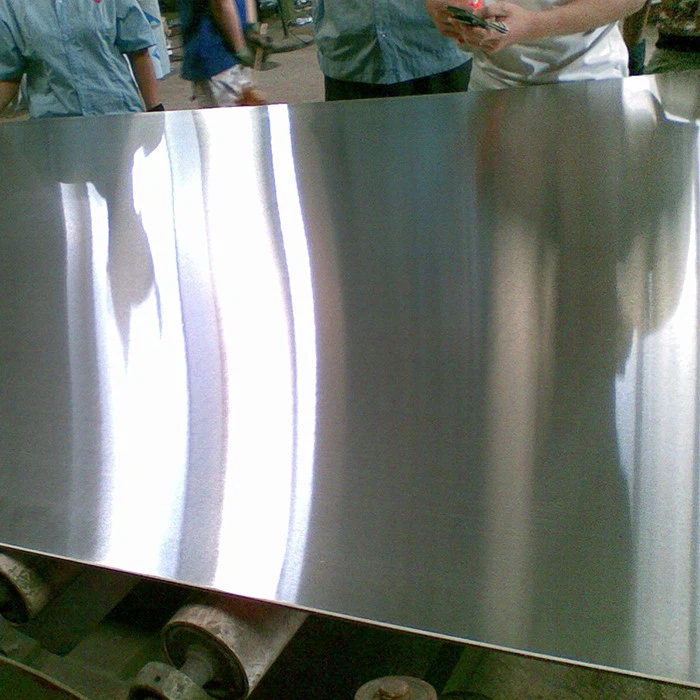
- Gently rub the rust - stained area in the direction of the grain of the stainless steel. The grain refers to the fine lines on the surface of the steel. Rubbing in the direction of the grain helps prevent scratching.
- Rinse the area thoroughly with clean water and dry it with a separate dry microfiber cloth.
Method 2: White Vinegar
White vinegar is a natural acid that can dissolve rust.
- Pour white vinegar into a spray bottle.
- Spray the vinegar directly onto the rust - stained area. Make sure the area is completely saturated.
- Let the vinegar sit on the rust for about 15 - 20 minutes.
- Use a soft microfiber cloth or a toothbrush to gently scrub the area in the direction of the grain.
- Rinse the area with clean water and dry it.
Method 3: Baking Soda
Baking soda is a mild abrasive that can help remove rust without scratching the stainless steel.
- Make a paste by mixing baking soda with a small amount of water. The paste should have a thick, spreadable consistency.
- Apply the paste to the rust - stained area using a soft cloth or a toothbrush.
- Gently scrub the area in the direction of the grain. You can use a bit more pressure for stubborn rust, but be careful not to scratch the surface.
- Rinse the area thoroughly with clean water and dry it.
Method 4: Lemon Juice
Lemon juice contains citric acid, which is effective in removing rust.
- Squeeze fresh lemon juice into a bowl.
- Dip a soft cloth into the lemon juice and apply it to the rust - stained area.
- Let the lemon juice sit on the rust for 10 - 15 minutes.
- Use a soft cloth or a toothbrush to scrub the area in the direction of the grain.
- Rinse the area with clean water and dry it.
Method 5: Commercial Rust Removers
If the above natural methods don't work, you can use a commercial rust remover. However, make sure to choose a product that is specifically designed for stainless steel.
- Read the instructions on the rust remover carefully.
- Apply the rust remover to the rust - stained area according to the instructions.
- Let the product sit for the recommended amount of time.
- Use a soft cloth or a brush to scrub the area.
- Rinse the area thoroughly with clean water and dry it.
Using Steel Wool
For stubborn rust that hasn't been removed by other methods, you can use fine - grade steel wool. However, this should be a last resort as it can scratch the stainless steel if not used properly.
- Make sure the steel wool is fine - grade.
- Wet the steel wool with water.
- Gently rub the rust - stained area in the direction of the grain. Use light pressure and be careful not to apply too much force.
- Rinse the area with clean water and dry it.
Preventing Future Rust
Once you've removed the rust stains, it's important to take steps to prevent future rusting.
- Keep the stainless steel sheets dry. Wipe up any spills or moisture immediately.
- Avoid exposing the sheets to harsh chemicals, saltwater, or high - humidity environments for extended periods.
- Apply a stainless steel protector or polish periodically to maintain the protective oxide layer.
Our Stainless Steel Sheet Products
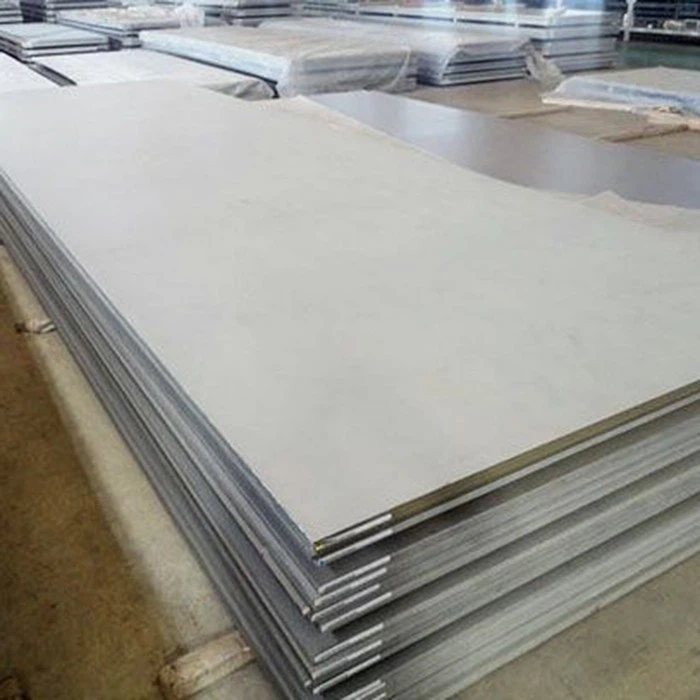
At our company, we offer a wide range of high - quality stainless steel sheets, including SA240 Stainless Steel TP201 Plate, Stainless Steel Sheet SUS201, and SS Stainless Steel Sheet ASTM 201. Our sheets are made from premium materials and undergo strict quality control to ensure they meet the highest standards.
Contact Us for Purchasing
If you're interested in purchasing stainless steel sheets or have any questions about rust removal or our products, feel free to contact us. We're here to provide you with the best solutions and support for your stainless steel needs. Our team of experts is ready to assist you in finding the right products for your projects.
References
- "Stainless Steel: A Primer" by the American Iron and Steel Institute
- "Corrosion of Stainless Steels" by George S. Frankel
- Various industry research papers on stainless steel maintenance and rust removal