Hey there! As a saw blade steel supplier, I've been in the business long enough to know that measuring the cutting efficiency of saw blade steel is super important. It's not just about how fast a saw blade can cut; it's also about the quality of the cut, the lifespan of the blade, and how well it performs under different conditions. In this blog, I'll share with you some key ways to measure the cutting efficiency of saw blade steel.
1. Cutting Speed
One of the most obvious ways to measure cutting efficiency is by looking at the cutting speed. This is basically how fast the saw blade can cut through a material. To measure this, you'll need to set up a test where you use the saw blade to cut through a standard piece of material. You can time how long it takes to make the cut. The faster the blade cuts, the more efficient it is in terms of speed.
For example, if you're using a 65Mn Carbon Steel Band Saw Blade to cut through a piece of mild steel, you can start a stopwatch as soon as the blade touches the material and stop it when the cut is complete. Do this a few times to get an average cutting time. Compare this with other blades to see which one is faster.
However, it's important to note that cutting speed isn't the only factor. A blade that cuts very fast might also wear out quickly or produce a rough cut. So, you need to balance speed with other aspects of cutting efficiency.
2. Material Removal Rate
The material removal rate (MRR) is another crucial metric. It measures how much material the saw blade can remove in a given amount of time. To calculate the MRR, you need to know the cross - sectional area of the cut and the cutting speed.
The formula for MRR is: MRR = cross - sectional area of the cut × cutting speed. For instance, if you're making a cut that has a cross - sectional area of 10 square centimeters and the cutting speed is 5 centimeters per minute, the MRR is 50 cubic centimeters per minute.
A higher MRR generally means a more efficient saw blade. But again, like cutting speed, a high MRR might come at the cost of blade life or cut quality. If you're using a Chain Saw Steel in a forestry application, a high MRR can help you cut through trees faster, but you also need to make sure the blade can withstand the wear and tear.
3. Cut Quality
The quality of the cut is just as important as the speed and material removal rate. A good cut should be smooth, straight, and have minimal burrs or rough edges. You can measure cut quality by using a surface roughness tester. This device measures the height of the irregularities on the cut surface. A lower surface roughness value indicates a smoother cut.
Another way to assess cut quality is by looking at the straightness of the cut. You can use a straightedge to check if the cut is truly straight. If the saw blade wanders during the cut, it can lead to inaccurate cuts and waste of material.
When using a High Carbon Steel Saw Blade for precision cutting, such as in a manufacturing setting, cut quality becomes even more critical. A poor - quality cut can lead to parts that don't fit together properly, which can cause problems further down the production line.
4. Blade Life
Blade life is a long - term measure of cutting efficiency. A saw blade that lasts longer is generally more cost - effective in the long run. To measure blade life, you can keep track of the number of cuts a blade can make before it needs to be replaced. This can be affected by many factors, such as the type of material being cut, the cutting speed, and the feed rate.
For example, if you're using a saw blade to cut through a hard alloy material, the blade will wear out faster compared to cutting through a softer material like wood. You can also look at the wear patterns on the blade. If the teeth are chipping or the blade is losing its sharpness quickly, it's a sign that the blade life is short.
By monitoring blade life, you can make informed decisions about when to replace the blade and which type of blade is best for a particular application. This is especially important if you're running a large - scale operation where blade replacement costs can add up quickly.
5. Power Consumption
Power consumption is an often - overlooked aspect of cutting efficiency. A saw blade that uses less power to make the same cut is more energy - efficient. You can measure power consumption by using a power meter. This device measures the amount of electrical power the saw motor is using during the cutting process.
If a saw blade requires a lot of power to cut through a material, it not only increases your energy costs but also puts more stress on the saw motor. This can lead to more frequent motor breakdowns and maintenance costs. So, when choosing a saw blade, it's a good idea to consider its power consumption.
6. Feed Rate
The feed rate is the speed at which the material is fed into the saw blade. It's closely related to cutting speed and material removal rate. A proper feed rate is essential for efficient cutting. If the feed rate is too slow, the saw blade might just rub against the material without making a proper cut, which can cause unnecessary wear on the blade. On the other hand, if the feed rate is too fast, the blade might overload and break.
You need to find the optimal feed rate for each combination of saw blade and material. This usually involves some trial and error. Start with a moderate feed rate and adjust it based on the cutting performance. For example, if the cut is rough or the blade is making a lot of noise, you might need to slow down the feed rate.
Conclusion
Measuring the cutting efficiency of saw blade steel is a multi - faceted process. You need to consider cutting speed, material removal rate, cut quality, blade life, power consumption, and feed rate. By taking all these factors into account, you can choose the best saw blade for your specific application.
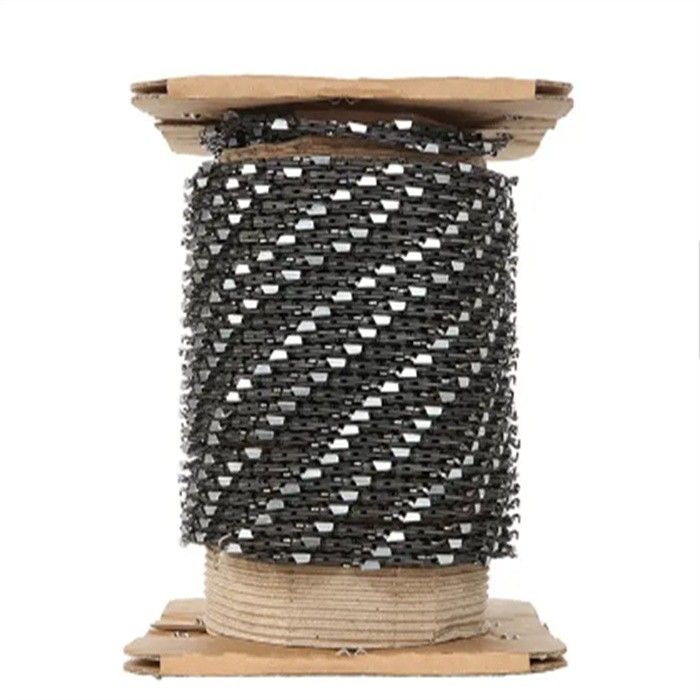
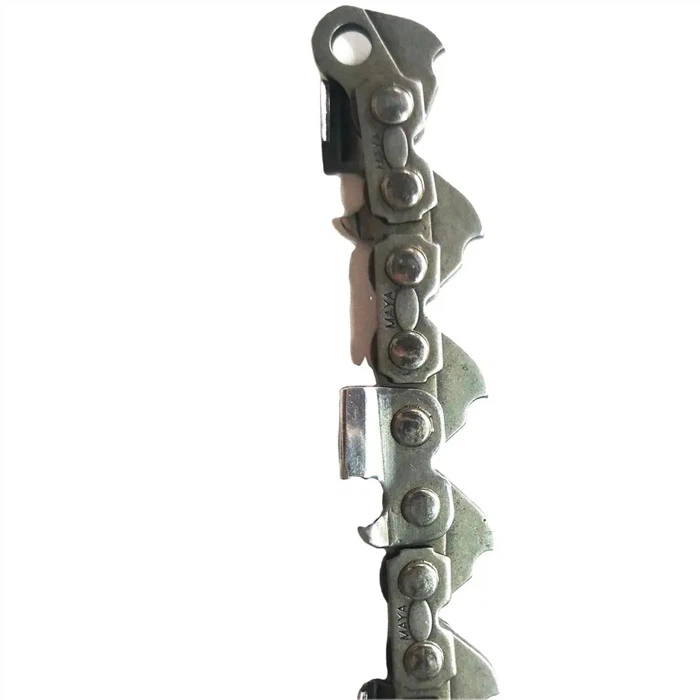
As a saw blade steel supplier, I'm here to help you find the right product. Whether you need a 65Mn Carbon Steel Band Saw Blade, Chain Saw Steel, or High Carbon Steel Saw Blade, I can provide you with high - quality products and expert advice. If you're interested in purchasing our saw blade steel or have any questions, don't hesitate to get in touch for a procurement discussion.
References
- American National Standards Institute. (20XX). Standards related to saw blade performance.
- Machinery's Handbook. (20XX). A comprehensive guide to manufacturing processes, including sawing.
- Industry research reports on saw blade technology and efficiency.