Hey there! As a chain steel supplier, I've been in the game for quite a while, and I know how crucial it is to have high - quality chain steel. In this blog, I'm gonna share some tips on how to improve the quality of chain steel.
1. Raw Material Selection
The first step in getting top - notch chain steel is picking the right raw materials. We've got a bunch of options out there, like carbon steels, alloy steels, and stainless steels. Each has its own pros and cons.
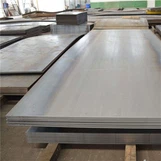
Carbon steels are super popular because they're affordable and easy to work with. For example, the 20Mn Carbon Steel Plate is a great choice. It has good strength and toughness, which are essential for chain steel. The 20Mn grade contains a certain amount of manganese, which helps improve the hardenability and strength of the steel.
Alloy steels, on the other hand, are made by adding other elements like chromium, nickel, or molybdenum to the base steel. These additions can enhance properties such as corrosion resistance, wear resistance, and high - temperature strength. But they usually cost more than carbon steels.
Stainless steels are known for their excellent corrosion resistance. They're perfect for applications where the chain will be exposed to harsh environments, like in the marine industry or chemical plants. However, they can be a bit more expensive and harder to machine compared to carbon steels.
When choosing the raw material, we need to consider the specific requirements of the chain, such as the load it will bear, the environment it will work in, and the budget.
2. Melting and Refining Process
Once we've got the right raw materials, the next step is the melting and refining process. This is where we turn those raw materials into high - quality steel.
In the melting process, we use electric arc furnaces or basic oxygen furnaces. Electric arc furnaces are great for recycling scrap steel, which is more environmentally friendly. They use electricity to heat the scrap and turn it into molten steel. Basic oxygen furnaces, on the other hand, use pure oxygen to react with the impurities in the iron and scrap, which helps in removing carbon and other unwanted elements.
After melting, the refining process is crucial. We use methods like ladle refining and vacuum degassing. Ladle refining involves adding various alloys and fluxes to the molten steel in a ladle. This helps in adjusting the chemical composition of the steel and removing impurities like sulfur and phosphorus. Vacuum degassing is used to remove dissolved gases like hydrogen and nitrogen from the molten steel. These gases can cause defects like porosity and embrittlement in the final product. By removing them, we can improve the quality and reliability of the chain steel.
3. Forming and Shaping
Once the steel is refined, it's time to form it into the shape of the chain. There are several forming methods, including hot rolling, cold rolling, forging, and casting.
Hot rolling is a common method for producing chain steel. In this process, the steel is heated to a high temperature and then passed through a series of rollers to reduce its thickness and shape it into the desired form. Hot - rolled steel has good ductility and is relatively easy to work with.

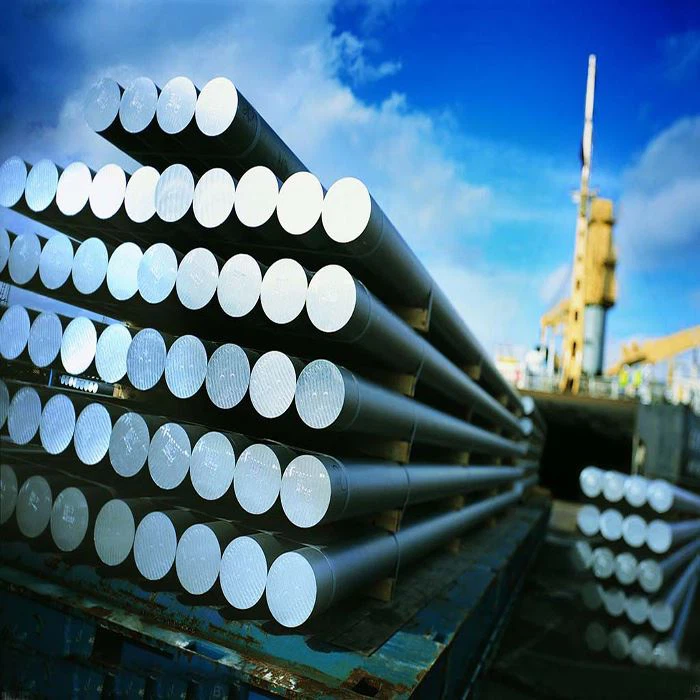
Cold rolling is done at room temperature. It can produce steel with a smoother surface finish and higher dimensional accuracy compared to hot - rolled steel. However, it can also increase the hardness of the steel, which may require additional heat treatment.
Forging is a process where the steel is heated and then shaped by applying pressure using a hammer or a press. Forged chain steel has excellent strength and toughness because the forging process aligns the grain structure of the steel. It's often used for high - strength chains that need to withstand heavy loads.
Casting is another option, especially for complex - shaped chain components. In casting, the molten steel is poured into a mold and allowed to solidify. However, casting can sometimes result in defects like porosity and inclusions, so proper quality control measures need to be in place.
4. Heat Treatment
Heat treatment is a critical step in improving the quality of chain steel. It can significantly enhance the mechanical properties of the steel, such as hardness, strength, and toughness.
There are several heat treatment processes, including annealing, quenching, and tempering.
Annealing is a process where the steel is heated to a specific temperature and then slowly cooled. This helps in relieving internal stresses, improving ductility, and refining the grain structure of the steel. It's often used as a pre - treatment before further processing or as a final treatment for some applications.
Quenching involves heating the steel to a high temperature and then rapidly cooling it in a quenching medium like oil or water. This causes the steel to harden by forming a martensitic structure. However, quenching can also introduce high internal stresses in the steel, which can lead to cracking. So, it's usually followed by tempering.
Tempering is the process of reheating the quenched steel to a lower temperature and then cooling it slowly. This helps in reducing the internal stresses and improving the toughness of the steel while maintaining a certain level of hardness. By carefully controlling the tempering temperature and time, we can achieve the desired balance between hardness and toughness for the chain steel.
5. Surface Treatment
Surface treatment is important for protecting the chain steel from corrosion, wear, and other forms of damage. There are several surface treatment methods available.
Galvanizing is a popular method where a layer of zinc is applied to the surface of the steel. Zinc acts as a sacrificial anode, which means it corrodes first, protecting the underlying steel. Galvanized chain steel has good corrosion resistance and is widely used in outdoor applications.
Painting is another option. A high - quality paint coating can provide a barrier between the steel and the environment, preventing corrosion. However, the paint needs to be applied properly, and it may require regular maintenance.
Phosphating is a process where a phosphate coating is applied to the steel surface. This coating can improve the adhesion of paint or other coatings and also provide some corrosion resistance.
6. Quality Control
Throughout the entire production process, quality control is essential. We need to have strict inspection procedures in place to ensure that the chain steel meets the required standards.
We use various inspection methods, such as non - destructive testing (NDT) and destructive testing. NDT methods include ultrasonic testing, magnetic particle testing, and radiographic testing. These methods can detect internal defects like cracks, inclusions, and porosity without damaging the steel.
Destructive testing involves taking samples from the chain steel and subjecting them to tests like tensile testing, hardness testing, and impact testing. Tensile testing measures the strength and ductility of the steel, while hardness testing determines its resistance to indentation. Impact testing assesses the toughness of the steel by measuring its ability to absorb energy under impact loading.
By regularly conducting these tests, we can identify any quality issues early on and take corrective actions to improve the overall quality of the chain steel.
7. Research and Development
The steel industry is constantly evolving, and new technologies and materials are emerging all the time. As a chain steel supplier, we need to invest in research and development to stay ahead of the curve.
We can collaborate with research institutions and universities to explore new alloy compositions and manufacturing processes. For example, we can look into developing new high - strength and lightweight chain steels that can meet the increasing demands of modern industries.
We can also study the performance of our chain steel in different applications and environments. This can help us understand the limitations of our products and make improvements accordingly.
Contact for Purchase and Negotiation
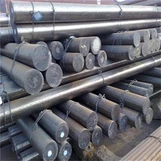
If you're in the market for high - quality chain steel, I'd love to have a chat with you. Whether you need Carbon Steel Round Bar For Chain Steel or 45Mn Carbon Steel Round Bar, we've got you covered. Just reach out, and we can discuss your specific requirements and work out a deal that suits you.
References
- ASM Handbook, Volume 1: Properties and Selection: Irons, Steels, and High - Performance Alloys
- Metals Handbook Desk Edition, Third Edition
- Steel Design Manual, American Institute of Steel Construction