Hey there! As a supplier of 304 Stainless Steel Pipe, I've seen my fair share of damaged pipes. It can be a real headache, but don't worry! I'm here to share some tips on how to handle damaged 304 stainless steel pipe.
First off, let's talk about what can cause damage to these pipes. There are a few common culprits. One is physical impact. If the pipes are dropped, banged into something hard, or mishandled during transportation or installation, they can get dented, scratched, or even cracked. Another cause is corrosion. Even though 304 stainless steel is known for its good corrosion resistance, it's not completely immune. Exposure to harsh chemicals, high humidity, or certain environmental conditions can lead to corrosion over time. And then there's improper installation. If the pipes aren't installed correctly, with the right fittings and proper support, it can put stress on the pipes and cause damage.
So, how do you identify damaged 304 stainless steel pipe? Well, it's usually pretty easy to spot obvious physical damage like dents, scratches, or cracks. But corrosion can be a bit trickier. Look for signs like discoloration, rust spots, or a rough, pitted surface. Sometimes, corrosion can start on the inside of the pipe, so if you notice a decrease in water flow or a change in the quality of the fluid flowing through the pipe, it could be a sign of internal damage.
Once you've identified the damage, the next step is to assess the severity. Minor damage like small scratches or surface corrosion might be able to be repaired, while more severe damage like large cracks or extensive corrosion might require replacement.
Let's start with minor damage. For small scratches, you can try using a stainless steel cleaner and a soft cloth to buff out the scratch. There are also special scratch repair kits available that can help restore the appearance of the pipe. Just make sure to follow the instructions on the kit carefully.
If it's surface corrosion, you can use a mild acid solution to clean the affected area. A mixture of vinegar and water can work well. Soak a cloth in the solution and gently rub the corroded area. Rinse it thoroughly with clean water afterward. Another option is to use a commercial stainless steel corrosion remover. These products are designed to dissolve the corrosion without damaging the pipe.

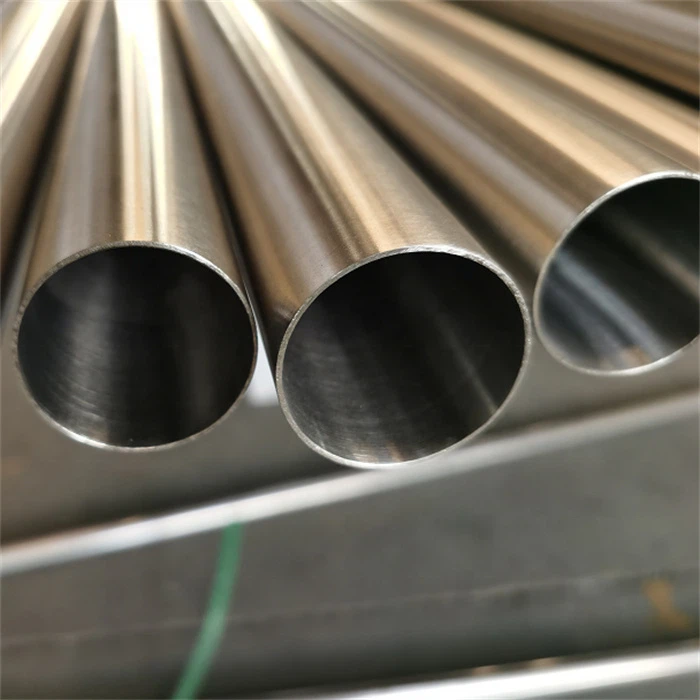
For more significant damage like dents, you might be able to use a pipe dent removal tool. There are different types of these tools available, depending on the size and shape of the dent. Some work by applying pressure to the dent from the inside of the pipe, while others use suction to pull the dent out. It takes a bit of skill and patience to use these tools effectively, but with some practice, you can often get good results.
But what if the damage is too severe to repair? In that case, you'll need to replace the damaged section of the pipe. First, you'll need to cut out the damaged part using a pipe cutter. Make sure to measure carefully and cut the pipe straight. Then, you'll need to install a new section of pipe. You'll need to use the right fittings to connect the new pipe to the existing one. Make sure to follow the manufacturer's instructions for installing the fittings correctly.
Now, I want to mention that we also offer a variety of other stainless steel pipes, like the 202 SS Seamless Stainless Steel Pipe and the 2B. 201 Stainless Steel Round Seamless Pipe. These pipes have their own unique properties and applications, and they might be a good fit for your project depending on your needs. And if you're looking for a high - quality 304 pipe that meets specific standards, our ASME SA269 Steel 304 Pipe is a great option.
Preventing damage to 304 stainless steel pipe is always better than having to deal with it after the fact. Here are some tips to help prevent damage. During transportation, make sure the pipes are properly protected. Use padding and secure them in place to prevent them from shifting and getting banged around. When installing the pipes, follow the installation instructions carefully. Make sure to use the right tools and fittings, and provide adequate support for the pipes. And in terms of maintenance, regularly clean the pipes with a mild cleaner to remove any dirt, debris, or contaminants that could lead to corrosion.
In conclusion, handling damaged 304 stainless steel pipe isn't always easy, but with the right knowledge and tools, you can often repair minor damage or replace the damaged sections. And if you're in the market for high - quality stainless steel pipes, we're here to help. Whether you need 304 stainless steel pipe or any of our other products like the 202 SS Seamless Stainless Steel Pipe, 2B. 201 Stainless Steel Round Seamless Pipe, or ASME SA269 Steel 304 Pipe, we've got you covered. If you have any questions or are interested in making a purchase, don't hesitate to reach out and start a conversation with us. We're always happy to help you find the right solution for your project.
References:
- General knowledge of stainless steel pipe industry
- Manufacturer's guidelines for 304 stainless steel pipe
- Experience in handling and supplying 304 stainless steel pipe