As a supplier of 316 stainless steel plates, I am often asked whether these plates are suitable for marine environments. The answer is a resounding yes, but with some important considerations. In this blog post, I will delve into the properties of 316 stainless steel, its performance in marine settings, and the factors that can affect its longevity in such harsh conditions.
Properties of 316 Stainless Steel
316 stainless steel is an austenitic stainless steel alloy that contains chromium, nickel, and molybdenum. The addition of molybdenum (typically around 2 - 3%) significantly enhances its corrosion resistance compared to other common stainless steel grades, such as SUS 304 Plate. The standard composition of 316 stainless steel is approximately 16 - 18% chromium, 10 - 14% nickel, and 2 - 3% molybdenum, with the remainder being iron and trace elements.
Corrosion Resistance
One of the primary reasons 316 stainless steel is well - suited for marine environments is its excellent corrosion resistance. The chromium in the alloy forms a passive oxide layer on the surface of the steel, which acts as a barrier against corrosion. The molybdenum further improves this resistance, especially against pitting and crevice corrosion, which are common in salt - water environments. Pitting corrosion occurs when small holes or pits form on the surface of the metal due to the breakdown of the passive layer, while crevice corrosion happens in narrow gaps or crevices where oxygen access is limited.
Strength and Ductility
316 stainless steel also offers good strength and ductility. It can withstand the mechanical stresses associated with marine applications, such as wave impact, vibrations, and the weight of equipment. Its ductility allows it to be formed into various shapes without cracking, making it suitable for a wide range of fabrication processes, from bending and welding to machining.
Performance in Marine Environments
In marine environments, 316 stainless steel plates have proven to be reliable in many applications. Here are some common uses:
Shipbuilding
316 stainless steel is used in the construction of ships for various components, including hulls, decks, railings, and piping systems. Its corrosion resistance helps to prevent the degradation of these components, ensuring the structural integrity of the vessel over time. For example, the salt - water - resistant nature of 316 stainless steel makes it ideal for seawater cooling systems on ships, where it can withstand the constant exposure to salt - laden water.
Offshore Platforms
Offshore oil and gas platforms are exposed to extremely harsh marine conditions, including high winds, salt spray, and strong ocean currents. 316 stainless steel plates are used in the construction of these platforms for structures such as handrails, walkways, and support brackets. The ability of 316 stainless steel to resist corrosion and maintain its strength in these conditions is crucial for the safety and longevity of the platform.
Coastal Architecture
In coastal buildings and structures, 316 stainless steel is used for exterior cladding, balconies, and decorative elements. It provides an aesthetically pleasing appearance while also withstanding the corrosive effects of the marine environment. For instance, in beachfront resorts, 316 stainless steel railings can add a modern and durable touch to the architecture.
Factors Affecting Performance in Marine Environments
While 316 stainless steel is highly resistant to corrosion in marine environments, several factors can affect its performance:
Chloride Concentration
The concentration of chlorides in the marine environment plays a significant role in the corrosion of stainless steel. Higher chloride levels increase the risk of pitting and crevice corrosion. In areas with high pollution or near industrial sites, the chloride concentration in the air and water can be elevated, which may require additional protective measures for the 316 stainless steel plates.
Temperature
Temperature can also impact the corrosion resistance of 316 stainless steel. Higher temperatures can accelerate the corrosion process, especially in the presence of chlorides. In tropical marine environments, where the water temperature is relatively high, the corrosion rate of 316 stainless steel may be slightly higher compared to colder regions.
Surface Condition
The surface condition of the 316 stainless steel plate is crucial. A smooth, clean surface is more resistant to corrosion than a rough or contaminated surface. During fabrication and installation, it is important to avoid scratches, which can break the passive oxide layer and expose the underlying metal to corrosion. Regular cleaning and maintenance can also help to remove any deposits or contaminants that may accumulate on the surface.
Comparison with Other Stainless Steel Grades
When considering stainless steel for marine applications, it is important to compare 316 stainless steel with other grades. For example, SS 310 Sheet has excellent high - temperature resistance but may not offer the same level of corrosion resistance in marine environments as 316 stainless steel. On the other hand, SUS 304 plate, which is a more common and less expensive stainless steel grade, has lower molybdenum content and is therefore less resistant to pitting and crevice corrosion in salt - water environments.
Maintenance of 316 Stainless Steel Plates in Marine Environments
Proper maintenance is essential to ensure the long - term performance of 316 stainless steel plates in marine environments. Here are some maintenance tips:
Regular Cleaning
Regularly clean the 316 stainless steel plates to remove salt deposits, dirt, and other contaminants. Use a mild detergent and a soft cloth or sponge to avoid scratching the surface. Rinse thoroughly with fresh water after cleaning.
Inspection
Periodically inspect the plates for signs of corrosion, such as pitting, rust spots, or discoloration. Early detection of corrosion can allow for timely repairs or replacement of the affected areas.


Coating
In some cases, applying a protective coating to the 316 stainless steel plates can provide an additional layer of protection against corrosion. However, it is important to choose a coating that is compatible with stainless steel and suitable for marine environments.
Conclusion
In conclusion, 316 stainless steel plates are an excellent choice for marine environments due to their superior corrosion resistance, strength, and ductility. While they can withstand the harsh conditions of the ocean, proper consideration of factors such as chloride concentration, temperature, and surface condition is necessary to ensure their long - term performance. With regular maintenance, 316 stainless steel plates can provide reliable service in a wide range of marine applications.
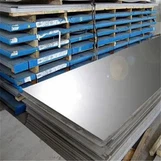
If you are considering using 316 Stainless Steel Sheet 2b Finish 4X8 or other 316 stainless steel products for your marine project, I encourage you to contact us for more information. Our team of experts can help you select the right grade and thickness of stainless steel plates to meet your specific requirements. We are committed to providing high - quality products and excellent customer service. Don't hesitate to reach out and start a conversation about your procurement needs.
References
- ASM Handbook, Volume 13A: Corrosion: Fundamentals, Testing, and Protection. ASM International.
- Stainless Steel for Marine Applications. Technical report by the Nickel Institute.