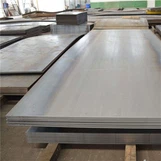
Hey there! I'm a supplier of stainless steel sheets, and I often get asked about the restrictions on importing these products. So, I thought I'd share some insights on this topic to help you better understand what you might face when importing stainless steel sheets.
First off, let's talk about why there might be restrictions in the first place. There are several reasons. One major factor is trade protection. Countries want to protect their domestic stainless - steel industries from foreign competition. If foreign stainless steel sheets are flooding the market at very low prices, it can hurt local manufacturers. So, governments might impose restrictions to level the playing field.
Another reason is quality and safety. Stainless steel sheets are used in a wide range of applications, from construction to food processing. So, countries have regulations to ensure that the imported stainless steel meets certain quality and safety standards. For example, it needs to be free from harmful substances and have the right chemical composition and mechanical properties.
Now, let's get into the different types of restrictions.
Tariffs
Tariffs are one of the most common forms of import restrictions. A tariff is basically a tax that the importing country charges on the imported goods. The rate of the tariff can vary widely depending on the country and the type of stainless steel sheet.
Some countries might have a flat - rate tariff for all stainless steel imports, while others might have a more complex tariff structure based on factors like the grade of the stainless steel, its thickness, and its finish. For instance, if you're importing ASTM A240 TP201 SS Plate, the tariff rate could be different from that of 301 Stainless Steel Plate.
Tariffs can have a significant impact on the cost of importing stainless steel sheets. If the tariff rate is high, it can make the imported sheets much more expensive for the buyers in the importing country. This, in turn, can affect the demand for your products. As a supplier, you need to factor in these tariff costs when pricing your products for export.
Quotas
Quotas are another type of import restriction. A quota sets a limit on the quantity of a particular product that can be imported into a country during a specific period. For example, a country might set a quota of 10,000 tons of stainless steel sheets per year. Once this quota is reached, no more imports of that product are allowed until the next quota period.
Quotas can be a real headache for suppliers. If you've got a large order from a buyer in a country with a quota system, and the quota has already been filled, you won't be able to fulfill that order. This can lead to lost business opportunities and unhappy customers.
Quality and Certification Requirements
As I mentioned earlier, quality and safety are important concerns for importing countries. Most countries have specific quality standards for stainless steel sheets. For example, they might require the stainless steel to have a certain minimum percentage of chromium and nickel, which are key elements for corrosion resistance.
In addition to these chemical composition requirements, there are also mechanical property requirements. The stainless steel sheets need to have the right strength, hardness, and ductility for their intended applications.
To prove that your stainless steel sheets meet these standards, you'll often need to provide certifications. Some common certifications include ISO 9001 for quality management systems and specific product - related certifications. For example, if you're supplying 2B Stainless Steel Sheet 304 for the food industry, you might need to have a certification that shows it's safe for contact with food.
Anti - Dumping and Countervailing Duties
Anti - dumping and countervailing duties are special types of duties that can be imposed when there's evidence of unfair trade practices.
Dumping occurs when a company exports a product at a price lower than the price it charges in its domestic market or lower than the cost of production. If a country believes that you're dumping stainless steel sheets in their market, they can impose anti - dumping duties. These duties are designed to offset the unfair price advantage and bring the price of the imported product back to a more "fair" level.
Countervailing duties are imposed when a country believes that the exported product has received government subsidies in the exporting country. For example, if your government is providing subsidies to your stainless steel manufacturing business, the importing country might impose countervailing duties to neutralize the effect of those subsidies.
How to Deal with Import Restrictions
As a stainless steel sheet supplier, there are several things you can do to deal with these import restrictions.
First, do your research. Before you start exporting to a particular country, find out about their import regulations, including tariffs, quotas, and quality requirements. You can consult with trade associations, government trade agencies, or even hire a customs broker who has expertise in importing stainless steel products.
Second, make sure your products meet all the necessary quality and certification requirements. Invest in quality control measures during the manufacturing process to ensure that your stainless steel sheets consistently meet the standards. Keep all the relevant certifications up - to - date and be prepared to provide them to your customers and customs authorities.
Third, be aware of the pricing implications of tariffs and other duties. You might need to adjust your pricing strategy to remain competitive in the importing market. Sometimes, you might be able to absorb some of the tariff costs, but in other cases, you'll have to pass them on to the customers.
Finally, build good relationships with your customers in the importing countries. Communicate with them about the import restrictions and how it might affect the cost and delivery of the products. By working together, you might be able to find solutions to overcome some of the challenges posed by the import restrictions.


If you're interested in purchasing high - quality stainless steel sheets from us, we're more than happy to have a chat about your specific needs. Whether you're looking for a particular grade, finish, or size, we've got you covered. Just reach out to us, and we can start the procurement discussion.
References
- World Trade Organization reports on trade in metals
- Various national customs and trade regulations
So, that's a pretty comprehensive overview of the import restrictions on stainless steel sheets. I hope this information is helpful to you, whether you're a buyer or another supplier in the industry.