

Hey there! I'm a supplier of high strength steel plates, and today I wanna talk about the effects of heat treatment on these bad boys. High strength steel plates are used in all sorts of industries, from construction to automotive, and heat treatment can really change their properties big time.
First off, let's understand what heat treatment is. It's a process where we heat the steel plate to a specific temperature and then cool it down at a controlled rate. This can involve different methods like annealing, quenching, and tempering. Each method has its own unique effects on the steel plate.
Annealing
Annealing is like giving the steel plate a chill pill. We heat it up to a high temperature and then let it cool down slowly. This process helps to relieve internal stresses in the steel, which can build up during manufacturing processes like rolling or welding. When we relieve these stresses, the steel becomes more ductile, meaning it can be bent and shaped more easily without cracking.
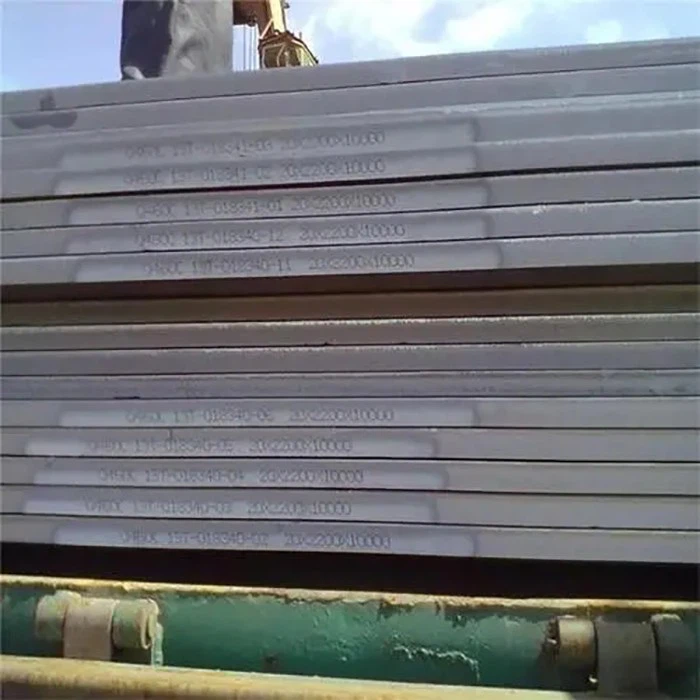

For example, if you're using high strength steel plates for a construction project where you need to bend the plates into different shapes, annealing can make that process a whole lot easier. It also improves the machinability of the steel. If you've ever tried to cut or drill into a steel plate with high internal stresses, you know how frustrating it can be. Annealed steel is much more cooperative when it comes to machining.
Quenching
Quenching is the exact opposite of annealing in terms of the cooling rate. We heat the steel plate to a high temperature and then rapidly cool it down, usually by dipping it into a quenching medium like oil or water. This process makes the steel extremely hard and strong.
When we quench high strength steel plates, we're basically freezing the crystal structure of the steel in a way that gives it high hardness. However, this also makes the steel more brittle. So, while it's great for applications where you need a lot of strength, like in the manufacturing of heavy machinery parts, you have to be careful because it can crack more easily under certain conditions.
Tempering
After quenching, we often follow up with tempering. Tempering involves heating the quenched steel to a lower temperature and then cooling it down slowly. This process reduces the brittleness of the quenched steel while still maintaining a good amount of its hardness and strength.
Tempering is like finding the sweet spot between hardness and toughness. It makes the steel more resistant to impact and fatigue, which is crucial in applications where the steel plate will be subjected to repeated loading, like in bridges or automotive suspension systems.
Now, let's talk about how these heat treatment processes affect the different types of high strength steel plates we offer.
Low Alloy High Strength Steel Plate
Low Alloy High Strength Steel Plate is a popular choice in many industries because it offers a good balance of strength and cost - effectiveness. Heat treatment can enhance its properties even further. Annealing can make it more formable, which is great for fabricating complex structures. Quenching and tempering can increase its strength and toughness, making it suitable for heavy - duty applications.
EN 10025 - 6 S890QL Steel Plates
EN 10025 - 6 S890QL Steel Plates are known for their high strength and good weldability. Heat treatment can play a crucial role in optimizing these properties. Annealing can improve the weldability by reducing internal stresses, while quenching and tempering can boost the strength to meet the demanding requirements of applications like crane booms and mining equipment.
S960Q High Strength Steel Plate
The S960Q High Strength Steel Plate is one of the toughest and strongest steel plates we offer. Heat treatment is essential for unlocking its full potential. Quenching gives it the high hardness and strength it's known for, and tempering ensures that it doesn't become too brittle and can withstand real - world applications.
In addition to the mechanical properties, heat treatment can also affect the corrosion resistance of high strength steel plates. For example, some heat treatment processes can form a protective oxide layer on the surface of the steel, which can slow down the corrosion process.
Another important aspect is the grain size of the steel. Heat treatment can control the grain size, and a finer grain size generally leads to better mechanical properties. A fine - grained steel is stronger, more ductile, and more resistant to fatigue.
So, as you can see, heat treatment has a huge impact on high strength steel plates. Whether you're looking for a steel plate that's easy to form, super strong, or resistant to corrosion, the right heat treatment process can make it happen.
If you're in the market for high strength steel plates and want to discuss how heat treatment can meet your specific needs, don't hesitate to reach out. We're here to help you find the perfect solution for your project. Whether it's a small - scale DIY project or a large - scale industrial application, we've got the high strength steel plates and the knowledge to make it a success.
References
- ASM Handbook, Volume 4: Heat Treating. ASM International.
- Steel Heat Treatment: Metallurgy and Technologies by George E. Totten and David Scott MacKenzie.


