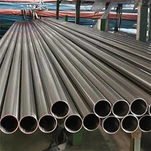
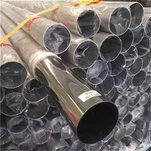
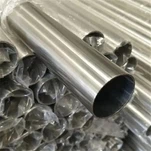
Recently,we JBLSTEEL produced 1 ton stainless steel plates with unique pattern for customers as their requirment, we produced these steel sheets based on clients' pattern,and provided customized etching and electroplating surface treatment as required.
Stainless steel plates are widely used in various industries due to their outstanding properties such as corrosion resistance, high temperature resistance, and durability. But the appearance of raw stainless steel is not always suitable for some particular project or application. So,Customizing the surface treatment of stainless steel sheet and plate can enhance its aesthetic value, improve the performance and increase service life.
The common technique for stainless steel surface treatment are as follows:
1. Polishing
Polishing is the most basic surface treatment technique for stainless steel plates. It can remove scratches, stains, and roughness on the surface, resulting in a mirror-like finish. The extent of polishing can be adjusted, depending on the desired level of glossiness. Polishing can enhance the appearance of stainless steel plates, making them look more like a decorative feature than a functional material.
2. Etching
Etching is a chemical process that can create patterns or designs on the surface of stainless steel sheets. It involves applying an acid-resistant mask on the surface and exposing the unmasked areas to an acid solution. The acid reacts with the exposed areas, leaving an etched pattern or design behind. Etching can be used to create logos, patterns, or texts on the surface of stainless steel plates, giving them a unique and personalized appearance.
3. Coloring
Stainless steel plates can be colored using various techniques such as electroplating or PVD (physical vapor deposition) coating. Electroplating involves depositing a layer of metallic coating on the surface of stainless steel plates and sheets by using an electric current. The metallic coating can be colored by using different chemical solutions, resulting in various shades of colors. PVD coating is a vacuum deposition process that can create a thin film of coating on the surface of stainless steel plate. The coating can be colored by controlling the thickness and composition of the film, resulting in various hues of colors.
4. Sandblasting
Sandblasting involves projecting high-pressure abrasive particles onto the surface of stainless steel plate, resulting in a rougher surface texture. Sandblasting can be used to create a matte finish on the surface, which can be used to improve the grip, reduce glare, or reduce fingerprint marks. Sandblasting can also be used to create a contrasting effect by removing a layer of material in certain areas, leaving a smooth surface surrounded by a rough surface.
Feel Free to Contact us to select the appropriate surface treatment techniques, you can create a unique and personalized appearance for your stainless steel plates that meet your specific needs and requirements. Our team is available 24/7 to answer any questions or concerns you may have.
Wish All the Best!